
5 Hidden Reasons Decluttering, Moving, and Organizing Is So Hard

Decluttering, organizing, and moving are often treated like simple tasks: make a decision, get rid of something, put something away, and move on.
But if you’ve ever tried to declutter an entire home, you know it rarely feels that simple.
Sometimes you’re not just deciding whether to keep a shirt. You’re deciding whether you’re still the person who wore it.
Sometimes you’re not just cleaning out a closet. You’re confronting a version of your life that no longer exists.
And sometimes, after hours of work, it can feel like you’ve barely made a dent.
As an Austin-based professional organizer and declutter coach, I see this all the time. Decluttering and organizing can be emotionally, mentally, and physically demanding—and understanding why it feels so hard can make the process feel a lot less overwhelming.
Here are five hidden reasons decluttering, moving, and organizing can be so difficult.
1. You’re processing how much your life has changed
Decluttering often forces you to come face-to-face with old versions of yourself.
Maybe you find the high school T-shirts you’ve been keeping for years, but your youngest child is now graduating high school.
Maybe you have baby clothes tucked away even though you’re finished having children.
Maybe you’re holding onto work clothes from a career you left years ago, college textbooks from a degree you no longer use, or hobby supplies for an activity you haven’t touched in a decade.
Sometimes the question isn’t really, “Do I want this?”
It’s, “Am I ready to let go of this version of my life?”
That can be a much harder question to answer.
Moving can make this especially intense because you’re literally deciding what parts of your current life will come with you into the next chapter.
Permit yourself to acknowledge the transition. You don’t have to rush through the emotions just because you’re trying to get something done.
2. Your stuff can unexpectedly bring up grief
You never know what memory is hiding inside a box.
A dog tag can remind you of a pet you lost.
A birthday card can bring you back to someone you’re no longer close with.
A photograph can remind you of a friendship that ended.
An old piece of clothing can transport you to a relationship, home, job, or period of your life that you haven't thought about in years.
Decluttering can bring up grief for relationships, opportunities, identities, and experiences you’ve lost.
And sometimes you don’t even realize you’re grieving until you’re standing in the middle of your closet crying over something you thought you were ready to throw away.
That doesn’t mean you’re doing it wrong.
It means your belongings are connected to your life.
You can acknowledge the memory without necessarily keeping the object. Sometimes letting go of the physical item can actually help you honor what it represented while making space for where you are now.
3. It feels like you’re constantly climbing a mountain

This is one of the most frustrating parts of organizing.
You make 50 decisions.
You clear an entire countertop.
You finish a room.
You fill three donation bags.
And then you look around and realize…there’s still so much to do.
It can feel like you’re making progress without ever arriving.
Especially when you’re moving, there can be an endless stream of decisions: What comes with me? What gets donated? What needs to be packed? What needs to be sold? Where will this live in the new home?
When the finish line feels far away, it’s easy to discount the progress you’ve already made.
So instead of only asking, “How much do I have left?” try asking, “How far have I come?”
Celebrate the room you finished.
Celebrate the decisions you made.
Celebrate the things you no longer have to think about.
You don’t have to be finished to be making meaningful progress.
4. You might be carrying the emotional labor for everyone else
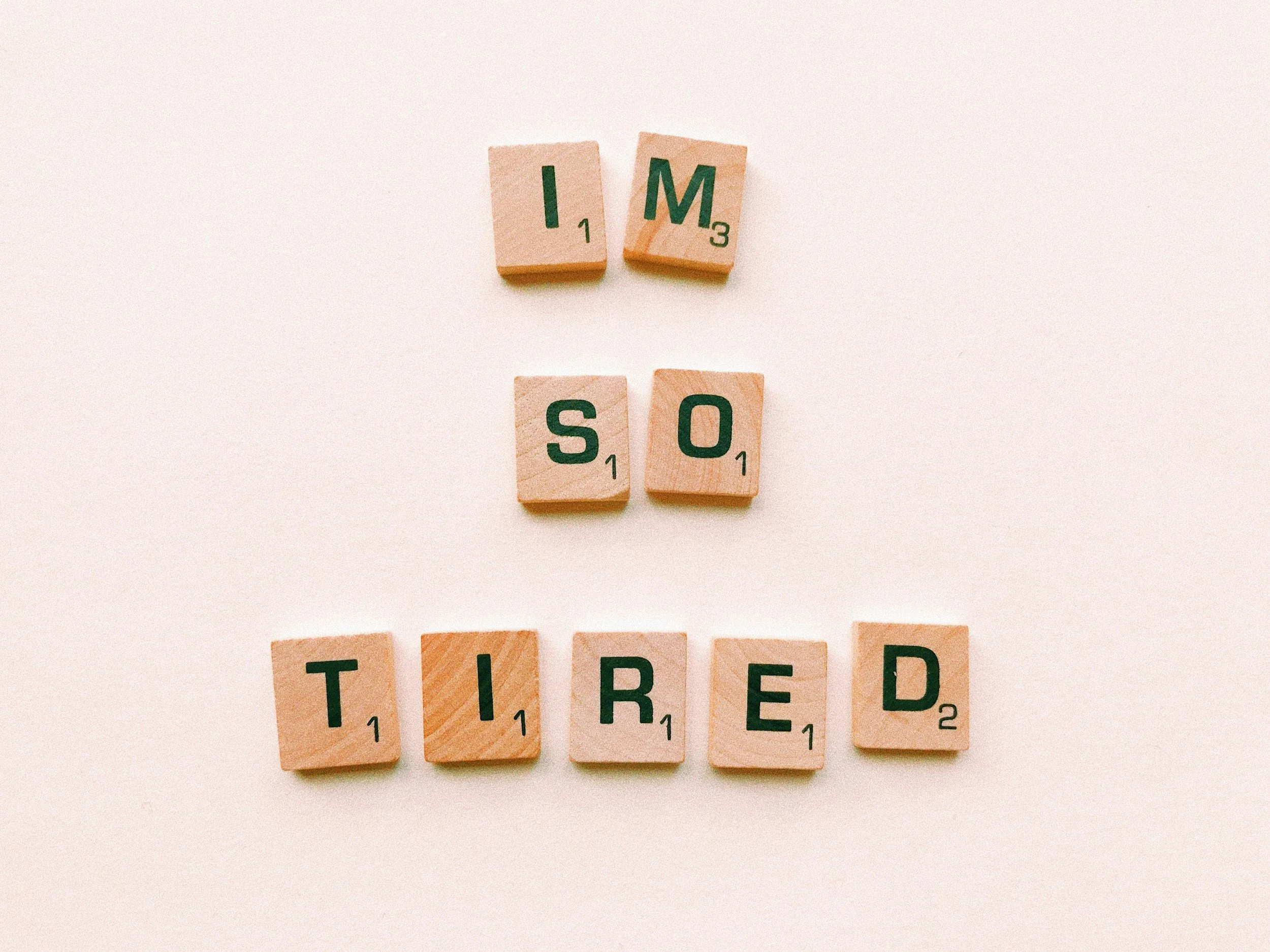
Sometimes one person becomes the unofficial organizer of the entire household.
You’re the one noticing what needs to be done.
You’re the one making decisions.
You’re the one trying to create systems.
You’re the one thinking three steps ahead.
You’re the one sorting everyone else’s belongings, managing the clutter, coordinating the move, and trying to make the home feel calmer for everyone.
And when the other people in your home don’t seem to notice how much work you’re doing, resentment can start to build.
It can feel exhausting to be responsible not only for your own stuff, but also for everyone else’s comfort.
If this is you, remember that your work matters even when it’s invisible.
And you deserve support, too.
Creating a calmer home shouldn’t require you to completely deplete yourself in the process.
5. It is physically demanding

We don’t talk about this one enough.
Organizing is physical work.
You’re bending down.
Standing up.
Lifting boxes.
Carrying bags.
Reaching into cabinets.
Moving things from one room to another.
Getting on the floor.
Getting back up.
Doing it again.
And again.
Moving takes this to another level. Even if you’re emotionally prepared for the transition, your body can still be exhausted by the sheer amount of physical activity involved.
That’s why organizing isn’t just about having enough motivation.
Sometimes you need breaks.
Sometimes you need help.
Sometimes you need to make the process smaller and more manageable instead of trying to power through everything in one weekend.
Your capacity matters just as much as your to-do list.
Decluttering is hard—but you can do hard things
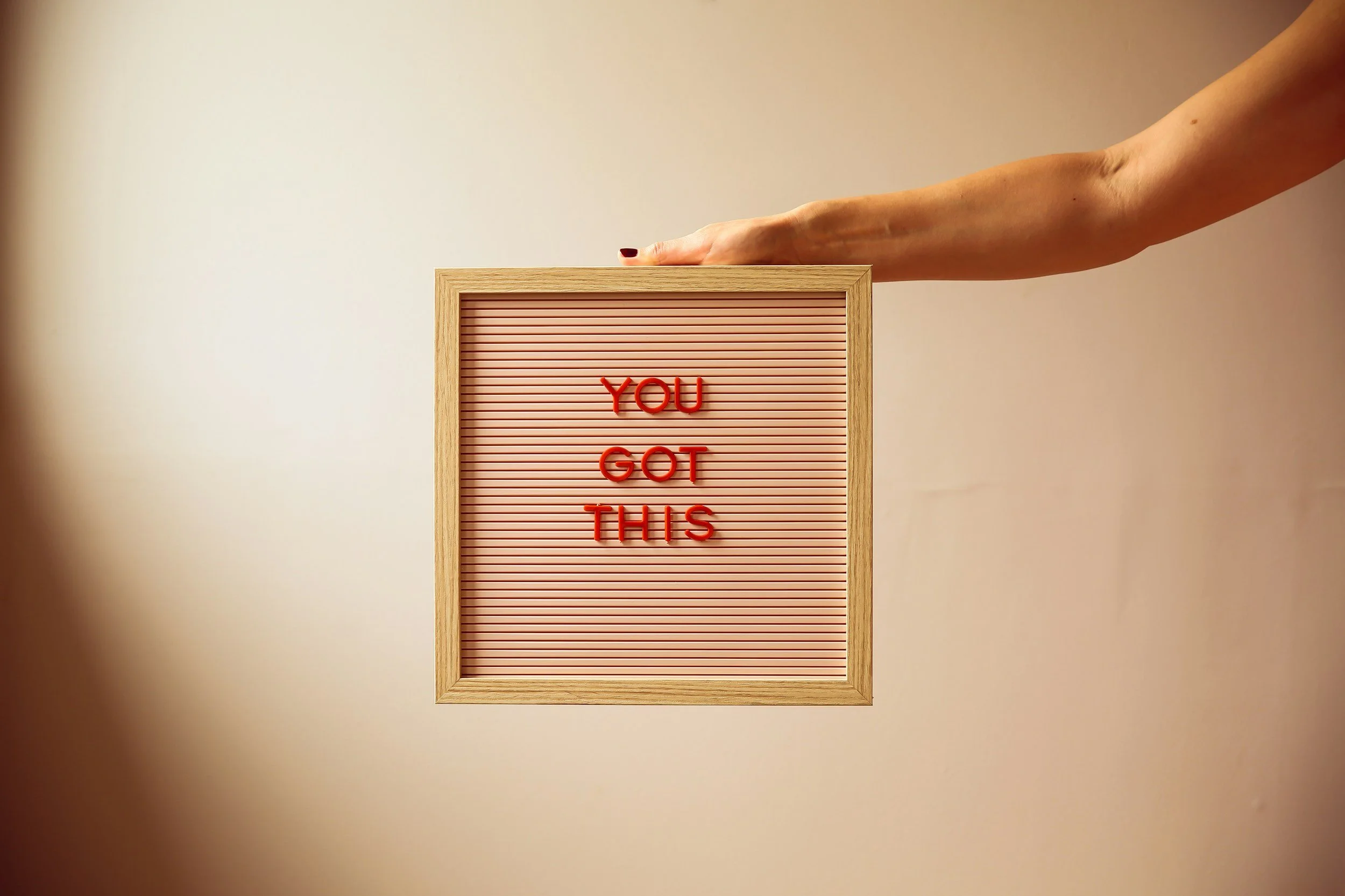
Decluttering, organizing, and moving aren’t difficult because you’re lazy, bad at organizing, or incapable of making decisions.
They’re difficult because your home holds your life.
Your belongings can represent memories, relationships, identities, hopes, grief, responsibilities, and entire chapters of who you’ve been.
Of course it can be hard to let go.
But learning to let go and create space for what comes next can also be incredibly healing.
The goal isn’t to avoid the hard parts.
It’s to recognize them.
To give yourself compassion while you move through them.
And to remember that you are capable of creating a home that supports the life you’re living now—not just preserving every version of the life you’ve lived before.
You don’t have to do it alone.
As a declutter coach, I’m not just an extra set of hands or someone who comes in and completes a list of organizing tasks—although I’m happy to do that, too.
I’m there to help you feel safe, supported, and empowered throughout the process.
That means helping you work through the emotions and overwhelm that come up, teaching you how to make decisions that feel right for you, and creating organizing systems that actually work with your brain and your life.
Because the goal isn’t just a more organized home.
It’s helping you feel like you can trust yourself to create and maintain a home that feels good to live in.
And if the process feels hard along the way, that doesn’t mean you’re failing. It means you’re human. You can do this—and you don’t have to do it alone. It all starts with a free consultation, where we can talk about what’s feeling overwhelming, what you want to change, and how I can support you in creating a home that feels calmer, more functional, and more like you.
