
10 Home Organization Maintenance Systems That Actually Stick (Even If You're Busy)
As a professional organizer in Austin, I've learned that most people don't need more motivation, prettier containers, or another weekend spent reorganizing the same closet. They need maintenance systems that fit real life.
Your home is constantly changing. Groceries come in. Amazon packages arrive. Laundry multiplies. Kids grow. Seasons change. Organization isn't something you finish—it's something you maintain.
The good news? Maintenance doesn't have to take hours every day.
Here are the systems I recommend to every client because they're simple, realistic, and actually sustainable.
1. Let Your Home Tell You When It's Time to Slow Down

One of my favorite mindset shifts is this:
Your home can become a barometer for your life.
When you notice clutter suddenly building up, don't immediately assume you're lazy or failing.
Instead, ask yourself:
Have I been saying yes to too many things?
Am I exhausted?
Have I had time to recover lately?
Am I trying to keep up with a schedule that no longer fits my season?
Sometimes the mess isn't asking you to clean.
It's asking you to rest.
Other times, it's your signal to decline a few commitments, spend an evening at home, and reset your space. Your home often reflects your capacity more than your character.
2. Create a "Do Not Buy" List

Impulse purchases can create a lot clutter.
Keep a note on your phone titled:
My Do Not Buy List
Include categories like:
Coffee mugs
Water bottles
Throw pillows
Candles
Notebooks
Kitchen gadgets
Seasonal décor
Craft supplies
Workout clothes
Storage bins (yes, even organizers buy too many bins!)
Before purchasing something, quickly check the list.
The goal isn't to never buy anything—it's to interrupt automatic shopping habits and make intentional decisions.
3. Keep a Returns Bin by the Door

One of the biggest reasons returns never happen?
They don't have a designated place.
Instead of leaving return items on the kitchen counter, dining table, or bedroom floor, keep one basket near your front door.
As soon as something needs to go back:
Put it in the bin.
Leave the shipping label with it.
Return it the next time you're already out.
This simple system prevents "temporary" piles from becoming permanent ones.
4. Have a "Needs to Be Decided" Bin

New items are constantly entering your home.
Sometimes you know exactly where they belong.
Sometimes you don't.
Instead of setting them on random surfaces while waiting for inspiration, keep a labeled bin called:
Needs to Be Decided
This is where items live when:
They don't have a home yet.
They need a new organizing system.
You aren't ready to make the decision today.
The important part?
Schedule time every week or two to empty it.
Decision fatigue is real. Giving yourself permission to postpone decisions intentionally is far better than scattering them throughout your home.
5. Do a 15-Minute Daily Reset

You don't need an hour.
You probably don't even need thirty minutes.
Set a timer for 15 minutes once each day.
During those 15 minutes:
Put things back where they belong.
Clear counters.
Pick clothes up off the floor.
Empty the dishwasher.
Toss trash.
Return stray items home.
If you have young children, maybe your reset needs to be 20–30 minutes.
If you live alone, maybe five or ten minutes is enough.
The goal isn't perfection.
The goal is preventing tomorrow's mess from becoming next weekend's project. Consistent "micro-resets" are one of the most commonly recommended habits by professional organizers because they keep clutter from snowballing.
6. Organize During Transition Times

You don't always need to schedule organizing.
Instead, build tiny resets into moments that already exist.
Examples:
While coffee brews
Waiting for dinner to cook
Before leaving the house
Before sitting down to watch TV
Before starting work
After finishing a workday
Even spending two or three minutes putting things away between activities can dramatically reduce clutter over time.
7. Give Laundry a Permanent Day
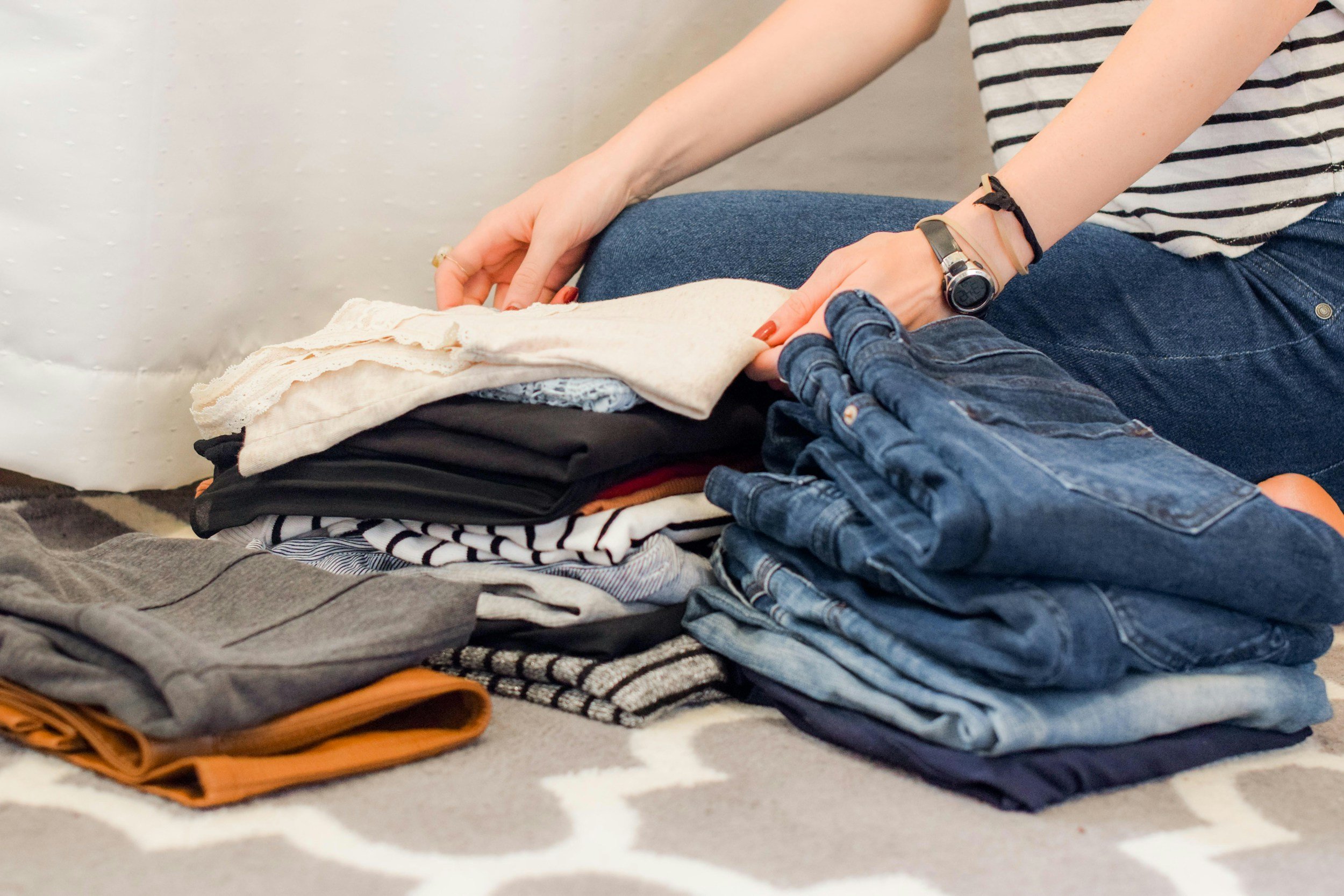
Laundry feels endless because many of us wait until it becomes urgent.
Instead, assign it a home on your calendar.
Examples:
Every Sunday
Tuesdays and Fridays
Every evening after dinner
One load every morning
Predictability removes decision fatigue.
You no longer wonder when you'll do laundry—it simply becomes part of your routine.
8. Follow the "Put It Away, Not Down" Rule

One of the simplest maintenance habits is also one of the most effective:
Instead of setting something down temporarily...
Put it away immediately.
Shoes.
Mail.
Backpacks.
Jackets.
Kitchen tools.
That extra five seconds prevents dozens of little piles from forming throughout your home. This habit is commonly known as the "one-touch rule" and is widely recommended because it reduces both clutter and procrastination.
9. Leave Every Room With One Thing
Here's another easy habit borrowed from professional organizers:
Whenever you leave a room, take one item with you that belongs somewhere else.
Walking to the kitchen?
Grab the coffee mug.
Heading upstairs?
Take the sweatshirt with you.
Going outside?
Bring the donation bag to the car.
Tiny actions add up surprisingly quickly.
10. Schedule Donation Drop-Offs
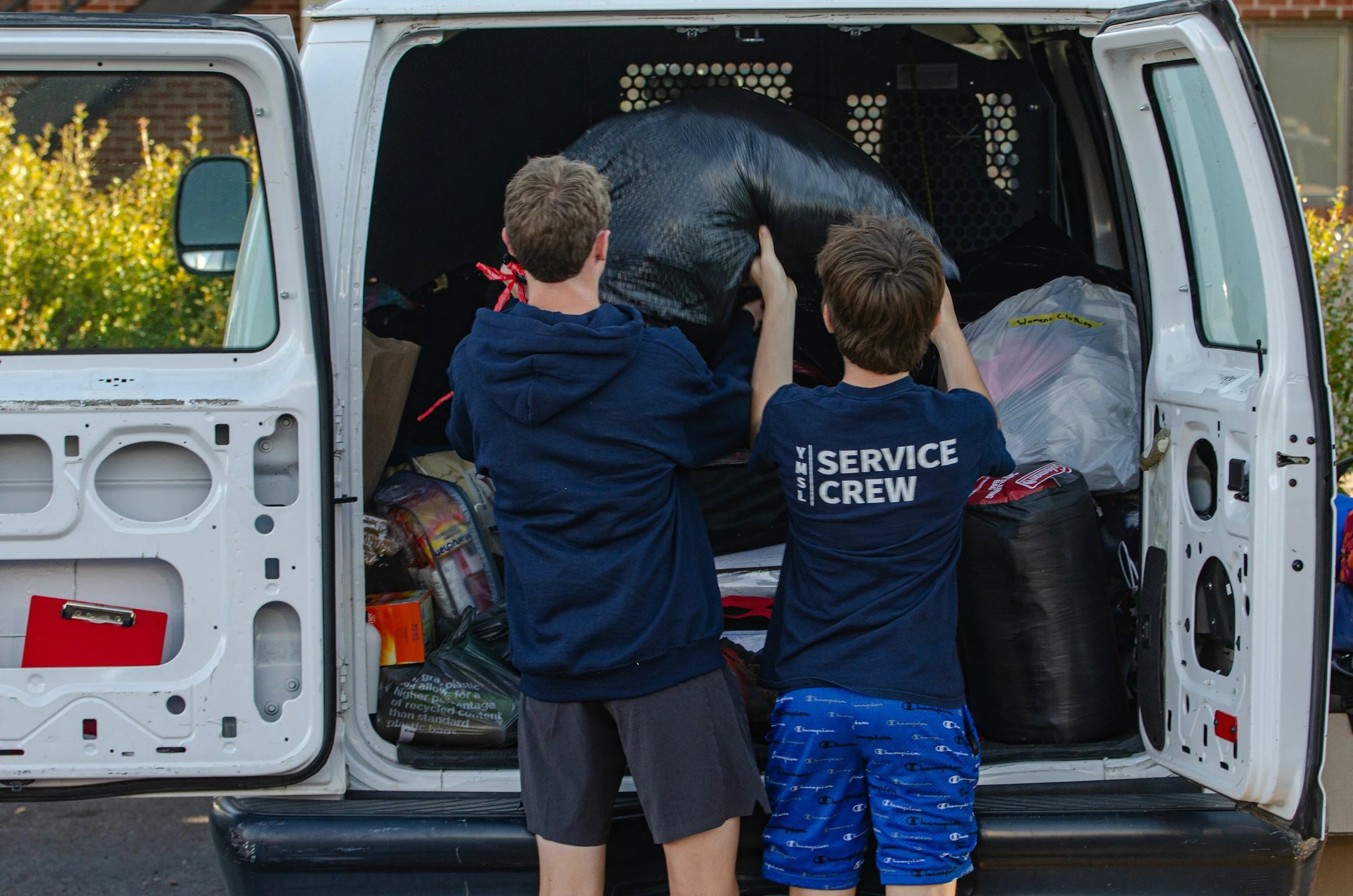
Decluttering doesn't end when you fill a donation box.
It ends when that box actually leaves your house.
As soon as a donation bag is full:
Put it in your car.
Add a drop-off reminder to your calendar.
Donate it during another errand.
Otherwise, your donation pile simply becomes another category of clutter.
The Secret Most People Miss
Here's what I wish everyone knew:
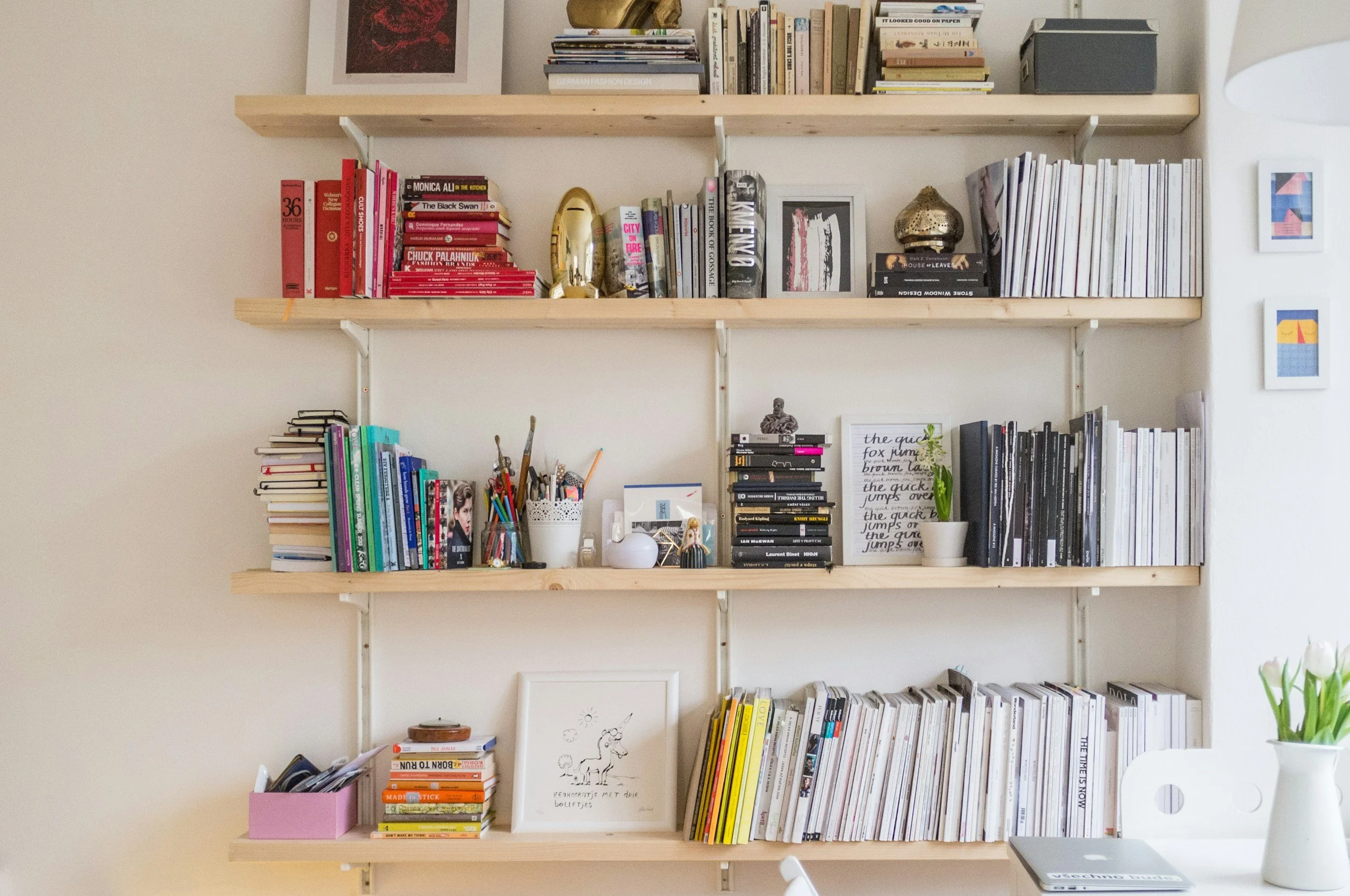
Maintenance is only easy when everything already has a home.
If you're constantly wondering:
"Where should this go?"
"Which drawer should this live in?"
"I don't have anywhere to put this..."
...then your problem probably isn't maintenance.
It's that your home hasn't been fully organized yet.
Once every item has a logical, intuitive place, keeping your home tidy becomes dramatically easier. That's why my goal isn't to create beautiful spaces that photograph well—it's to create systems that support your real life, your energy, and your habits.
Ready for Systems That Practically Maintain Themselves?
If you're tired of constantly picking up the same clutter or feeling like you're always starting over, I'd love to help.
It all starts with a free, no-strings-attached consultation where we'll talk through your space, your goals, and the challenges you're running into.
From there, my In-Person Organizing & Move Support service is designed to create customized organizing systems that make maintenance feel natural—not overwhelming. Together, we'll declutter, assign every item a functional home, and build systems that work for the way you actually live.
Whether you're settling into a new home, preparing for a move, or simply ready for a calmer space, I'll help you create a home that's easier to maintain long after our session ends—because organization isn't about having a perfect house; it's about creating systems that support your life.
