
The Gender of Clutter: Why It’s Not Just “Her Mess” — and How Couples Can Declutter Together

In my work as a professional organizer, I see the same pattern play out in homes again and again.
A woman asks for help organizing her kitchen, closet, or pantry. She feels embarrassed. Overwhelmed. Responsible for the clutter. She apologizes before we even begin.
Then I step into the garage, the other side of the closet, or the home office—and I see overflowing bins of cords, tools, hats, tech accessories, hobby gear, and items saved “just in case.”
The truth is simple but rarely acknowledged:
Clutter is usually shared—but the shame is not.
This is what I call the gender of clutter, and understanding it is key to creating a more cooperative, functional home.
Why Women Carry the Emotional Load of Home Organization
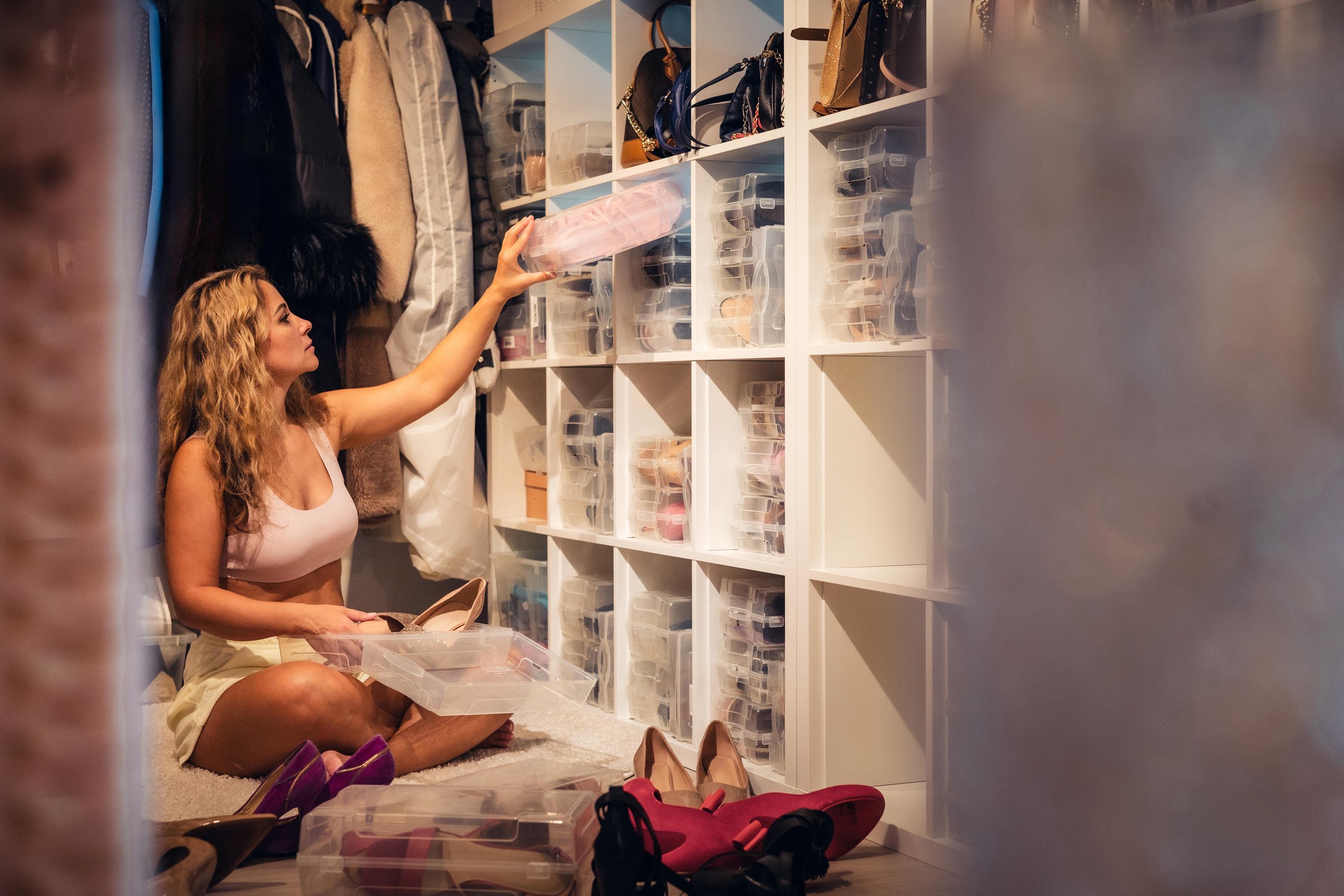
Even in modern households, women are still often seen as responsible for the appearance and function of the home.
That means:
Kitchen clutter feels like her failure
Pantry disorganization feels like her problem
Messy common areas feel like her responsibility
Meanwhile, clutter in less visible spaces—garages, offices, storage rooms—often carries less emotional weight, even when it takes up just as much space.
This isn’t about blame. It’s about conditioning.
Many women have been taught that:
A tidy home equals competence
Organization equals worth
Mess equals personal failure
So when clutter exists, the person who feels worse about it often takes responsibility for all of it.
Overconsumption Is Cultural, Not Personal

Another layer of this conversation is what we buy and why.
We live in a culture that constantly encourages buying as a way to express identity:
Buy this to be a better woman
Buy this to be a more capable man
Buy this to feel productive, prepared, successful, or attractive
This shows up differently, but the root is the same.
Some clutter lives in:
Clothes, beauty products, décor, kitchen tools
Other clutter lives in:
Tools, tech, cords, sports gear, hobby equipment
Different categories. Same pressure.
Overbuying is not a moral failing—it’s a systemic one. And it affects everyone in the household, even if it shows up in different rooms.
Different Organizing Styles Can Create Household Tension
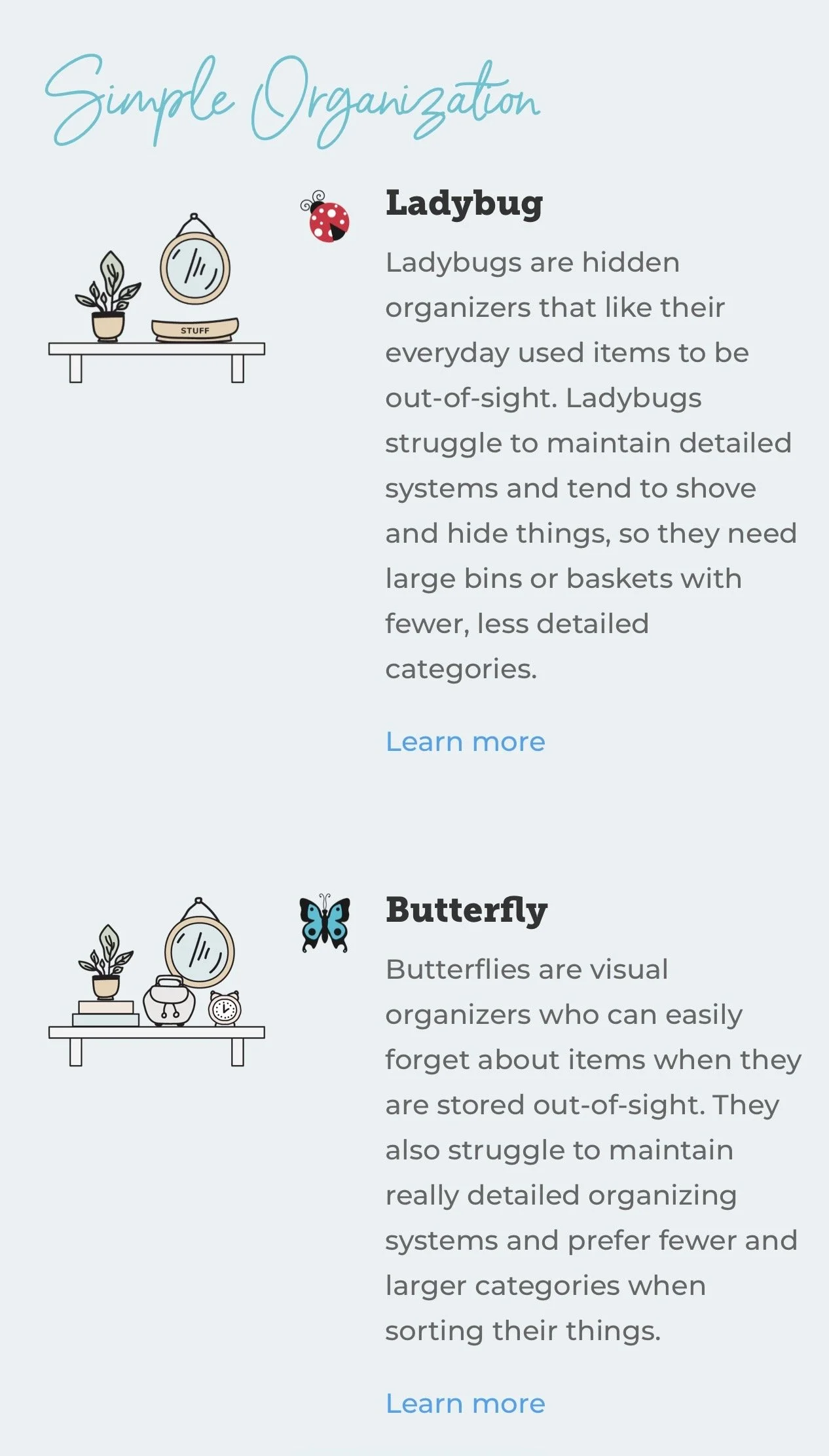
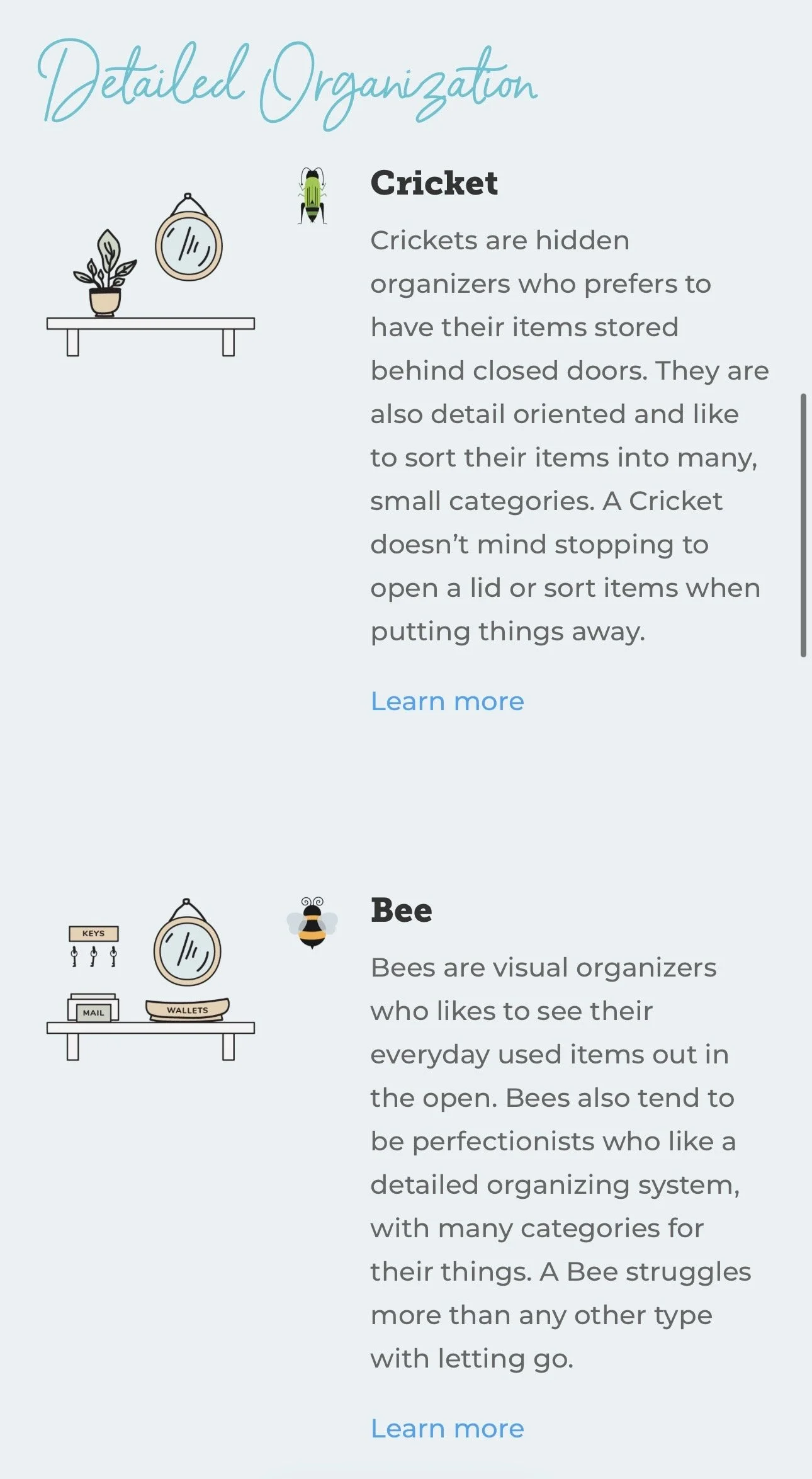
Another reason clutter becomes a relationship issue is mismatched organizational styles.
www.clutterbug.me
One partner may:
Prefer visual access
Keep items for future use
Feel secure owning backups
The other may:
Crave visual calm
Want fewer items
Feel overwhelmed by excess
When systems don’t match real behavior, clutter builds—and resentment follows.
Clutter is rarely about laziness. More often, it’s about:
Systems that don’t work
Unclear ownership of spaces
Unspoken expectations
How Couples Can Communicate About Clutter Without Blame
www.clutterbug.me
If you’re navigating clutter as a couple, these shifts can help:
Focus on systems, not personalities
(“This setup isn’t working” vs. “You’re messy”)Acknowledge invisible labor
Emotional responsibility is still work.Separate visibility from volume
Just because clutter is seen doesn’t mean it’s greater.Design for real life
Organization should support how people actually live.Bring in neutral support
A third party can remove emotion from the process.
Decluttering Works Best When Responsibility Is Shared
The goal isn’t to determine whose clutter is worse.
The goal is to:
Release shame from one partner
Share responsibility realistically
Create organizing systems everyone can follow
Build a home that supports both people
When couples declutter together—with guidance—it often becomes less about stuff and more about teamwork.
Need an Objective Third Party to Help You Declutter?
If clutter has become a source of stress, shame, or tension, in-person professional organizing support can help.
I work with individuals and couples to:
Declutter entire homes (not just visible spaces)
Create sustainable home organization systems
Support different organizing styles
Reduce emotional overwhelm and blame
If you’re ready for a calmer, more cooperative home, I’d love to help.
