
A Shame-Free Time Management System That Actually Works (Even If Planners Never Have)

If you’ve ever bought a planner, used it for a week or two, and then quietly abandoned it—this is for you.
If your to-do list feels endless, your calendar feels overwhelming, and you still somehow feel behind no matter how hard you try—this is for you.
And if you’ve ever wondered, “Why can’t I make this work like other people seem to?” hear this first:
You’re not bad at time management.
You’ve been working with systems that were never designed for real life.
As a professional organizer, I’ve spent years helping people declutter their homes. Over time, I noticed something that completely changed how I thought about productivity:
Time works exactly like a physical space.
You can’t magically fit more into it. You can only organize what’s already there.
As I followed that insight, I was reminded of an activity I had done years earlier with my senior-year English teacher. We mapped everything we were responsible for and confronted the reality of time. That experience became the foundation for how I now approach time management.
I’m a business owner and deeply goal-oriented, but I also value calm, rest, and flexibility. I needed a system that could support both. What emerged is a three-part, shame-free approach to time management. My Time Is A Storage Unit system honors ambition and humanity while creating a structure that supports your life instead of controlling it.
Time Is a Storage Unit (And It Has a Limit)
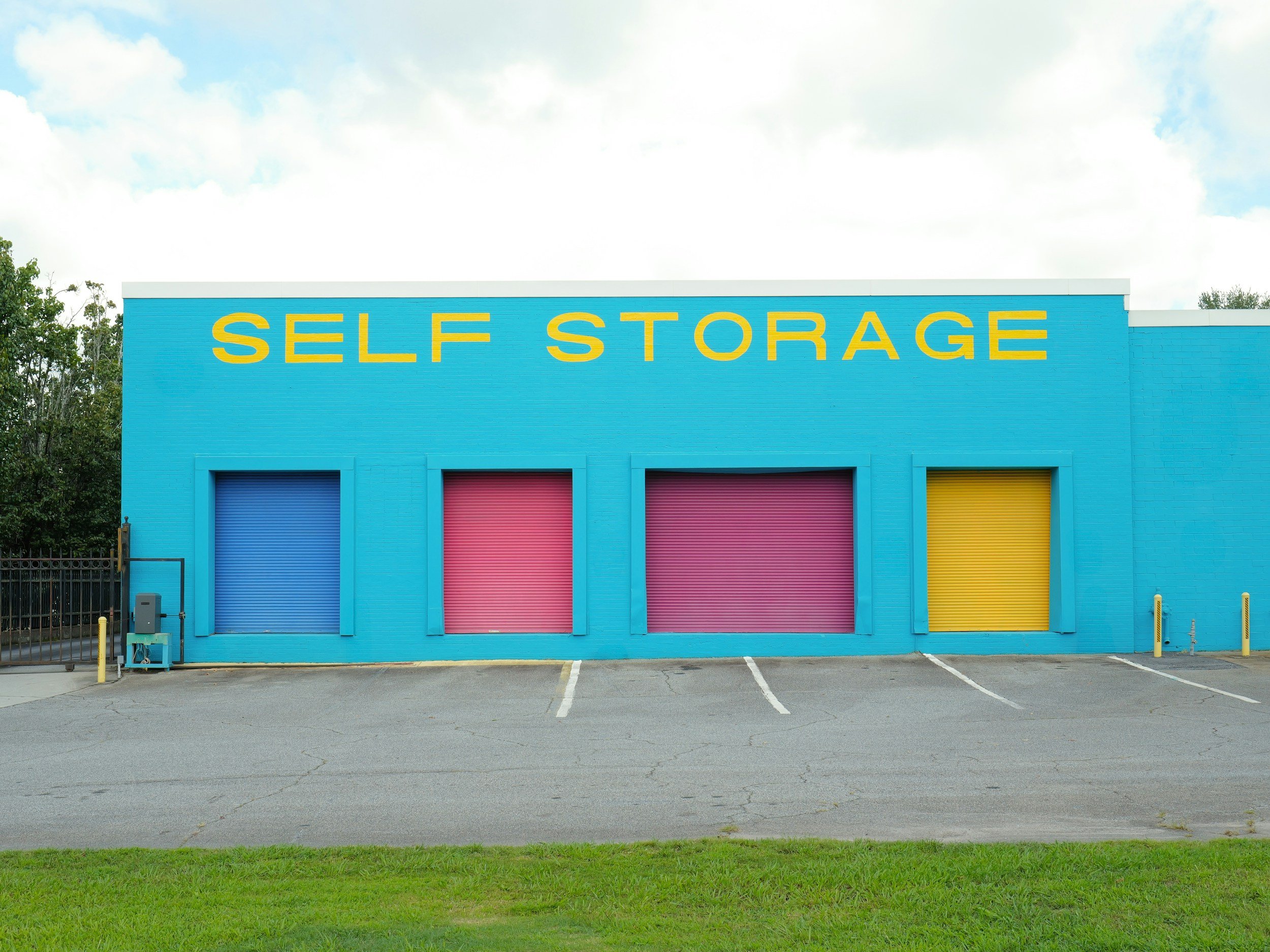
There are 168 hours in a week. That’s it. No productivity hack, mindset shift, or planner can change that. When your life feels chaotic, it’s often not because you’re disorganized. It’s because your “storage unit of time” is overfilled.
Just like a closet that’s packed too tight, something always spills out:
rest
relationships
self-care
joy
This system helps you:
see where your time is actually going
reduce overload without guilt
build a flexible structure you can return to again and again
Let’s walk through it.
Part 1: Identify Your Life Categories & Tasks (Without Judgment)
Before we organize anything, we need to see what’s there. This step is about awareness, not fixing.
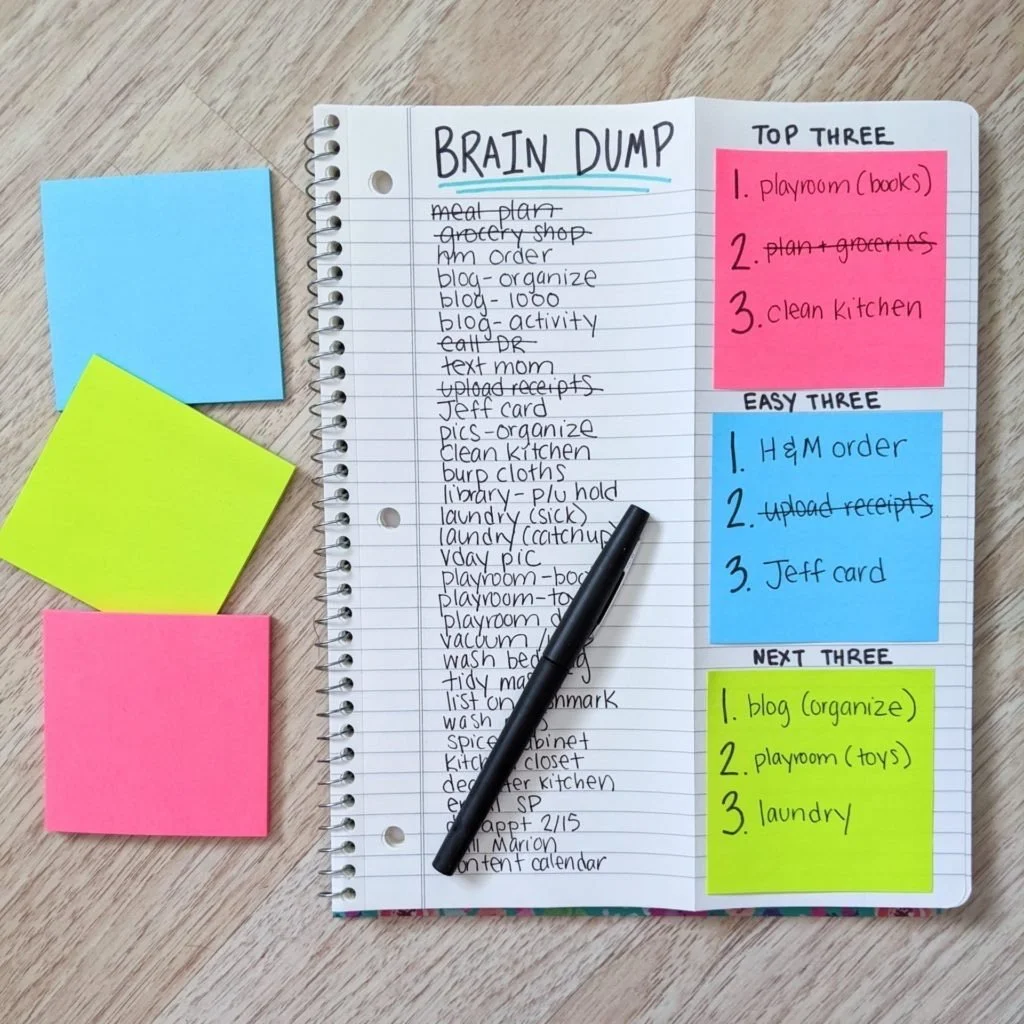
Start by listing every category of your life
Here’s a sample list of common life categories (yours may look different):
Work / Job
Business admin
Client work
Commuting
Personal admin (emails, bills, scheduling)
Errands
Grocery shopping
Cooking
Cleaning
Laundry
Exercise
Social time
Family time
Relationship time
Rest
Hobbies
Personal growth
Health appointments
Digital maintenance
Downtime / nothing time
There’s no “too small” or “too silly” here. If it takes time or energy, it counts. (Yes, even eating and showering.)
Part 2: Add Up the Time (This Is Where the Truth Lives)
Next, estimate how many hours per week each category realistically takes.
Not on your best week. Not on your most motivated week. On an average week.
Then add it all up.
The key question:
Does everything fit into 168 hours?
If the answer is no (and for most people, it is), nothing is “wrong” with you. It simply means your calendar is over capacity.
How to Declutter Your Time (Without Burning Everything Down)

When time doesn’t fit, you have three options:
1. Declutter
What no longer matters?
What are you doing out of obligation, not alignment?
What season of life has passed?
2. Reduce
Can something happen less often?
Can “perfect” become “good enough”?
3. Delegate or Outsource
Grocery delivery
Cleaning help
Admin support
Automation
Delegation isn’t failure. It’s space-making.
Leave 10–15% of your calendar empty.
This is non-negotiable.
Life happens:
you get sick
plans change
energy drops
opportunities appear
White space is not laziness. It’s structural safety.
Part 3: Time Blocking (Organizing Like With Like)

Once your tasks fit within your actual capacity, then we organize. Think of a giant pile of clothes on the floor. You wouldn’t put each item in its own container—you’d group similar things together. Time works the same way.
Examples of time block categories:
Personal admin
Errands
Household tasks
Grocery shopping
Cleaning
Client work
Creative work
Social time
Rest & recovery
Movement / exercise
Instead of deciding every day when you’ll do something, you decide once where it belongs.
Create “Containers” for Your To-Dos
For each time block category, create a dedicated note (digital or physical). These notes are organizing containers for your life.

Example: Personal Admin Note
Subheadings might include:
Emails to send
Appointments to schedule
Forms & paperwork
Finances
Example: Errands Note
Grocery store
Returns
Pharmacy
Donations drop-off
Now, when something comes up, it has a home.
Because when things don’t have a home:
they get forgotten
they float around in your head
they create anxiety
This system removes that mental clutter.

Maintenance: Flexibility Is the Point
This isn’t a rigid system. I’m the most routine person I know, and I move my time blocks all the time. My energy shifts, clients need flexiblity, and life is inevitably unpredictable. The power of this system is that when things move, nothing is lost.
You always know:
what you missed
where it belongs
where to restart
It allows structure and freedom.
Balance Changes Everything
When you can see your life clearly, you stop overspending time in one area and neglecting others. You can’t change time. But when you take accountability for the way you use it, you change your life.
This system is:
shame-free
flexible
human
easy to maintain
And most importantly, it’s designed to support you, not control you.
