

Was getting organized on your bucket list this year? Maybe you imagined finally tackling the cluttered closet, creating a home that feels easier to maintain, or figuring out what to do with years of accumulated belongings. And yet, here we are, approaching the end of the year, and it still hasn't happened.
Or maybe 2027 is the year you want things to feel different. You want to spend less time looking for things, stop arguing about household clutter, or finally feel at home in your own space.
Wherever you're starting, you don't have to figure it all out before asking for help.
I'm Perry, the founder of Bluebird Organizing, a professional home organizing business in Austin, Texas. I help people create spaces that support their lives, their habits, and the people they are today.
My approach goes beyond making things look nice. Together, we create practical systems that work with your brain, your energy, and your real life, without shame, pressure, or the expectation that you need to become a minimalist.
And because I don't regularly take before-and-after photos of my clients' homes, I want to offer something even more helpful: a look at five real projects I've worked on this year. These stories illustrate what professional organizing can actually look like, from navigating decades of belongings to creating routines that make everyday life easier.
What Does Working With a Professional Organizer Actually Look Like?
One of the biggest misconceptions about professional organizing is that someone comes into your home, buys a bunch of matching bins, and makes everything look beautiful.
Sometimes, the right containers are part of the solution. But they aren't where I start.
Before we decide where something belongs, we need to understand how you use it, what you need from your space, and what's making it difficult to maintain. Sometimes that means decluttering. Sometimes it means changing a routine, rethinking a room's purpose, or finding a way to make decisions that have felt overwhelming for years.
My job isn't to decide how you should live or force you to get rid of things. It's to help you understand your options, make decisions you feel good about, and build systems you can actually use.
Emotional safety is central to that process. Your belongings aren't a moral failing, and you don't have to justify every item you own. We work at a pace that makes sense for you, with room for questions, breaks, and changing your mind.
Here's what that looked like for five of my clients this year.
1. Helping a Couple in Their 70s Navigate a Lifetime of Belongings

The challenge: After a lifetime of collecting, this couple had accumulated belongings across three separate homes. As they entered a new chapter of life, they needed to figure out what to keep, what to sell, what to donate, and how to manage everything across their properties.
This wasn't simply a matter of getting rid of excess belongings. These were collections built over decades, each with its own history, meaning, and place in their lives. They needed a way to make thoughtful decisions without feeling rushed or losing track of the things they chose to keep.
The approach: We began by categorizing their belongings and creating a clearer picture of what was in each home. We established a system for moving items between properties and developed a digital inventory so they could see where things were located when they needed them.
Just as importantly, we worked at their pace. I never forced a decision or rushed them through the decluttering process. For larger projects like this, I require a minimum two-hour session, but there isn't an arbitrary finish time we have to reach. We can stop when the clients need to stop.
That flexibility matters when a project involves years of memories, complicated decisions, and two people who may see their belongings differently.
The result: They can enjoy their collections rather than feel buried by them. They have a better understanding of what they own and where to find it, and fewer opportunities for the frustration that comes from misplaced belongings and disagreements about where things went.
The goal was never to erase a lifetime of collecting. It was to help them enjoy what they have while making room for the next chapter of their lives.
2. Helping a Mom Feel More in Control of Her Home
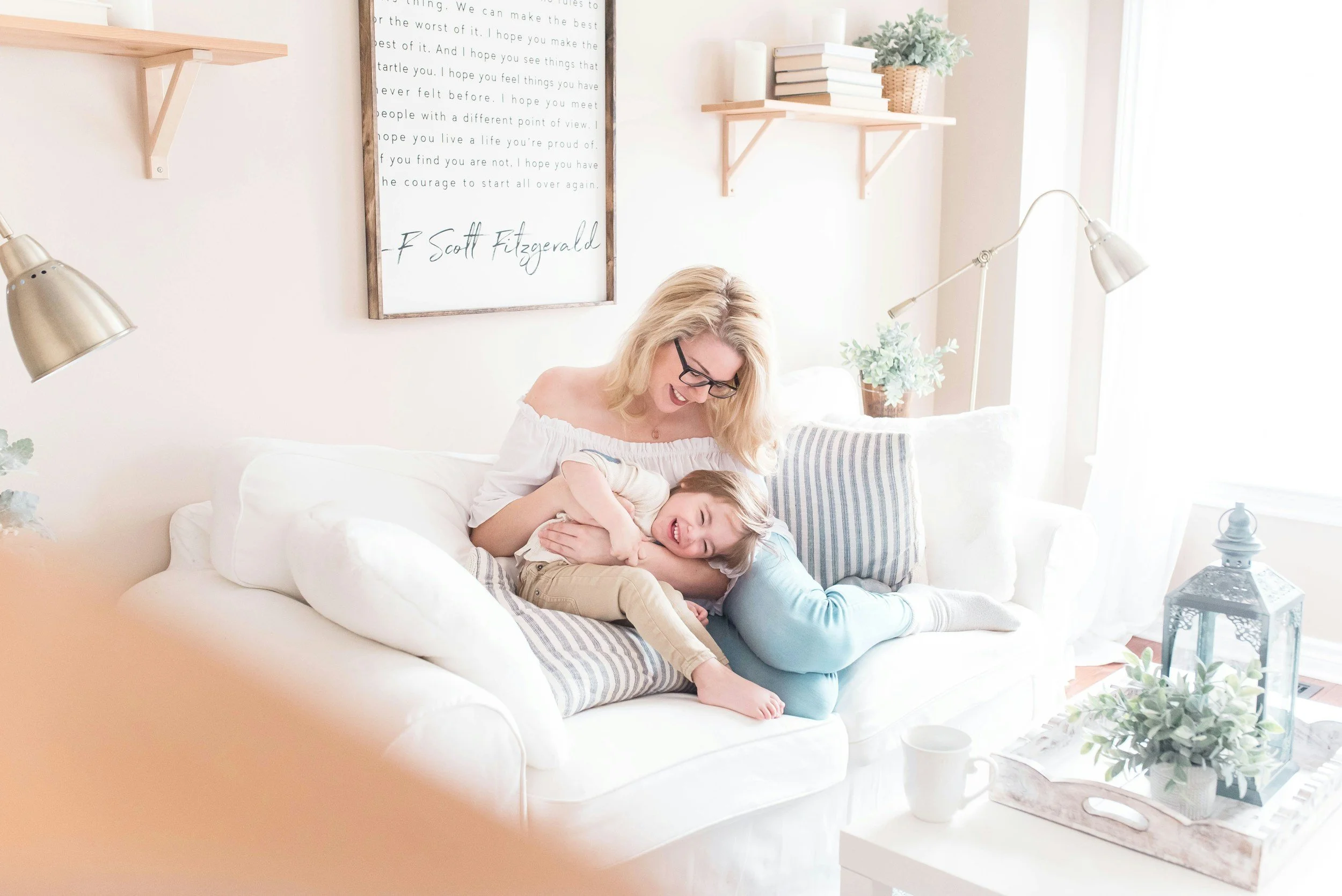
The challenge: This mom wanted to feel like she was in charge of her home again. With kids continually bringing new things into the house, she needed more than a one-time decluttering session. She needed a way to keep up with the constant flow of belongings without exhausting herself in the process.
The approach: We talked extensively about her energy levels, schedule, habits, and routines. Instead of creating an elaborate system that would require hours of maintenance, we focused on small, repeatable practices she could realistically incorporate into her life.
We discussed how decluttering prior to birthdays and Christmas can be a great option for regularly reviewing belongings and making room for new items.
Another important part of the process was helping her understand that she didn't need to spend an entire organizing session on her feet.
She was relieved to learn that she could sit comfortably while I moved items, kept track of where things belonged, and guided her through decisions whenever her input was needed. She didn't have to manage every detail or exhaust herself trying to do everything at once.
The result: She gained practical strategies for managing the ongoing flow of belongings, along with a better understanding of how to maintain her space in a way that respects her energy.
Because a home doesn't stay organized simply because you organized it once. It stays organized when the systems work with the life you're actually living.
3. Making Difficult Decisions During a Complex Move
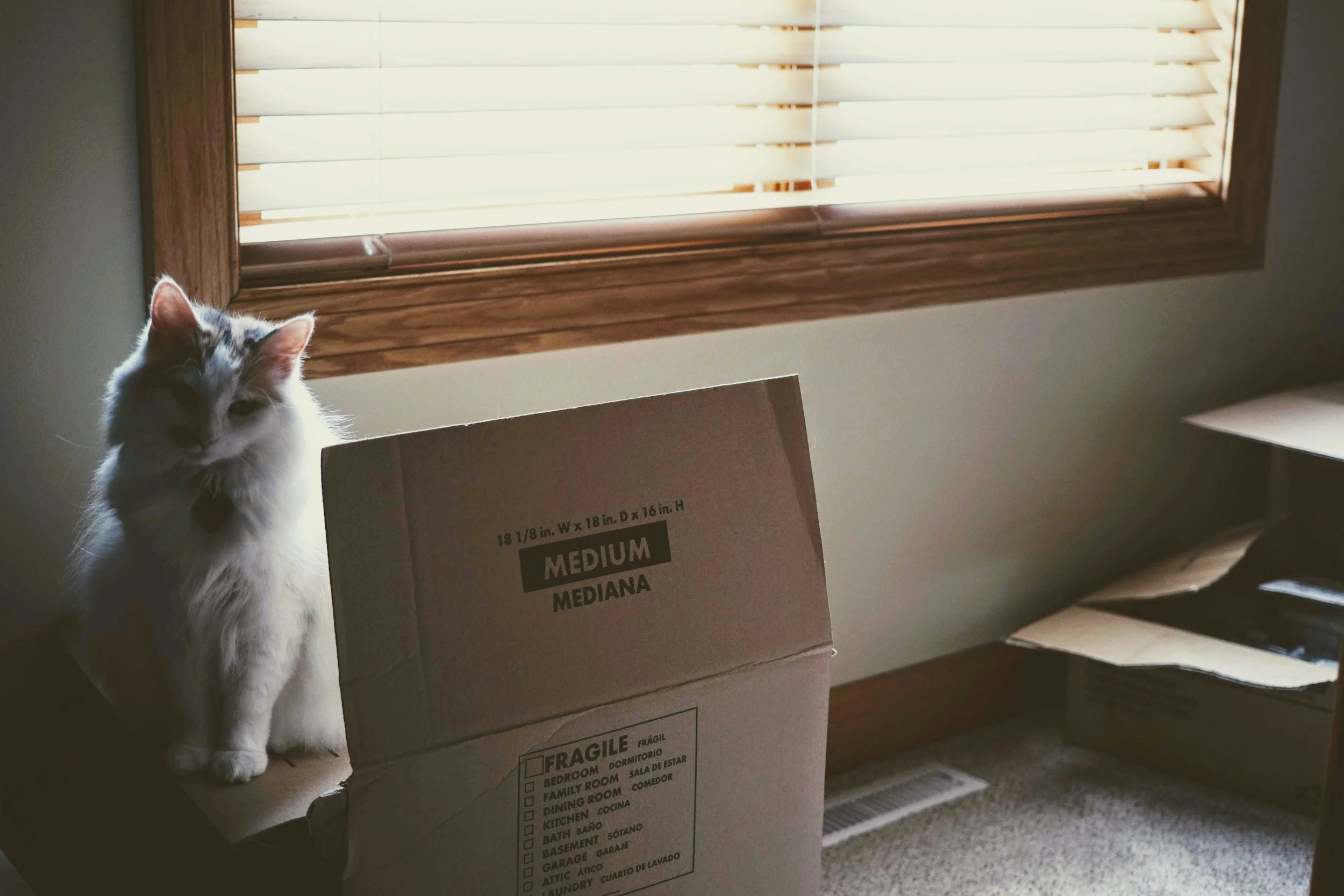
The challenge: This client had already made significant progress in her decluttering journey, but she still struggled with letting go of things she'd spent money on. At the same time, she faced a complicated series of moves, including preparing her first home for sale, getting her ranch ready to lease, determining what needed to go into storage, and deciding what to take with her overseas for nearly a year.
There were a lot of moving parts, and the decisions felt exhausting. She was afraid of making the wrong choice, especially when the consequences affected what she would have access to in the months ahead.
The approach: We broke the work into manageable sessions of just two hours at a time. This gave her a clear boundary and helped prevent the process from becoming so overwhelming that she couldn't make decisions at all.
We worked through what she needed for the next stage of her life, what could remain in storage, how those belongings should be stored, and what was no longer serving her.
I also supported her through multiple stages of the transition: decluttering her first home so it was ready to sell, preparing her ranch for leasing, and unpacking her belongings in an Airbnb so she could feel at home in a temporary space.
Throughout the process, we considered not just what she owned, but when she would need it, where it would be, and how she wanted to live during a period of significant change.
The result: Instead of facing one enormous, impossible project, she had a series of manageable steps and support through each transition. She could make decisions at a pace that felt sustainable while preparing for the practical realities of moving between homes and countries.
Sometimes, getting organized isn't about creating a permanent system in one place. It's about creating enough clarity to move forward when life is changing quickly.
4. Creating a Home That Works for an Entire Family
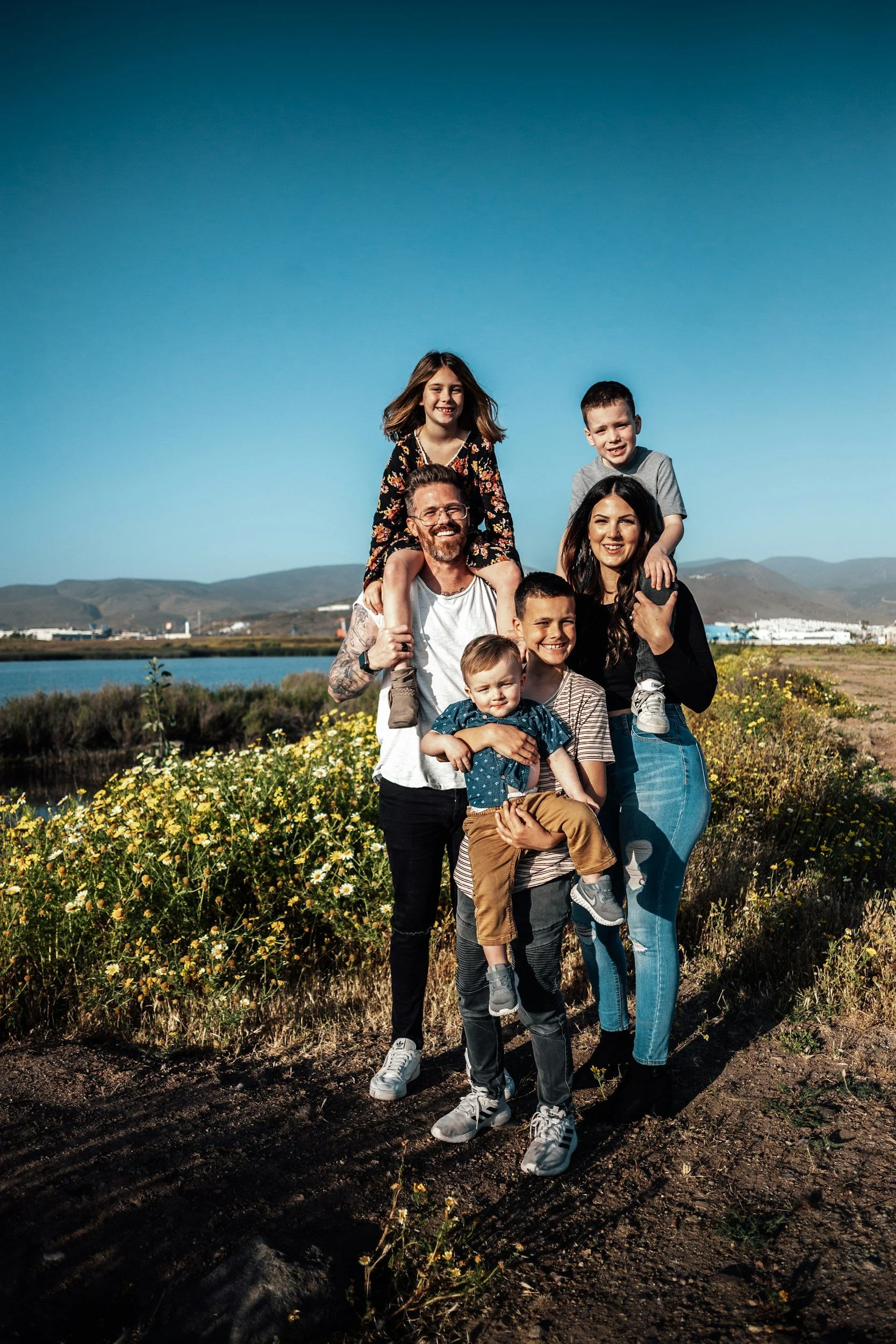
The challenge: After moving to Austin, this mom wanted her new home to feel organized and look beautiful. But she also wanted it to work for her husband and each of her children, whose needs and relationships with their belongings weren't necessarily the same as hers.
A home can look perfectly organized and still be frustrating to live in if the systems don't match the people using them.
The approach: We explored each family member's organizing style and how different systems might support the way they naturally interact with their space.
When I talk about organizing styles, I'm not talking about buying a particular product or labeling someone as a certain kind of person. I'm talking about understanding how someone thinks about their belongings, remembers where things are, approaches everyday tasks, and moves through their environment.
We also discussed space planning and the intention behind each room. Since the family had recently moved, it was an opportunity to be thoughtful about how the home could function before everyone settled into habits that might not serve them.
This was a collaborative, hands-on process. We considered both behavioral needs and aesthetic goals, including which products might support the systems we were creating rather than dictate how the family had to live.
The result: She left with a better understanding of how the different parts of her home connected, why certain systems would work for her family, and what she could do to support both functionality and appearance.
The goal wasn't simply to organize each room individually. It was to help the home function as a connected whole, where the systems in one space support what happens in the next.
5. Learning to Care for a Space for the First Time

The challenge: This young woman had never really been taught how to organize. She had made immense changes in her life and was learning how to take care of herself in new ways. Now, she was ready to extend that care to her physical environment.
But organizing can bring up more than questions about where things belong. Our belongings can represent former identities, old relationships, and versions of ourselves we've outgrown. Letting go of those things can feel like revisiting the experiences attached to them.
The approach: We approached decluttering as an opportunity to reflect on what still belonged in her life and what she was ready to release.
We talked through belongings connected to previous spaces and relationships, making room for the person she was becoming rather than treating the process as a test of how much she could throw away.
I guided her through the decisions and helped her understand the reasoning behind the systems we created. Just as importantly, I made space for her to learn instead of simply taking over and doing everything for her.
The result: She felt empowered to continue organizing another area of her home on her own.
For me, that's one of the most meaningful outcomes of this work. It's not just about leaving someone with a more functional space. It's about helping them build the confidence and skills to care for that space themselves.
These Are Just Five Examples of What Getting Organized Can Look Like
No two clients come to me with exactly the same circumstances, and these five projects represent only a small portion of what professional organizing can offer.
I've also helped people navigating situations such as:
A new mom who needed help packing away pregnancy clothes and making room for the changes that come with a new baby.
A husband caring for a wife with Alzheimer's who needed to find his bearings after a poorly executed remodel left belongings scattered and everyday essentials difficult to locate.
A woman who had to leave an abusive situation quickly and returned to a home where accumulated clutter felt impossible to tackle alone.
People preparing for a move, combining households, adjusting to an empty nest, or figuring out how to make a home work after a major life transition.
Sometimes, the project is about creating a sustainable household routine. Sometimes, it's about navigating grief, uncertainty, or years of belongings. Sometimes, it's simply about wanting to stop spending so much time looking for things.
You don't need a dramatic life story to deserve help, either. You can want a more functional kitchen, a closet that's easier to maintain, or a home that feels calmer when you walk through the door.
Whatever brings you here, the work begins with understanding what you need.
Getting Organized Is About More Than Bins
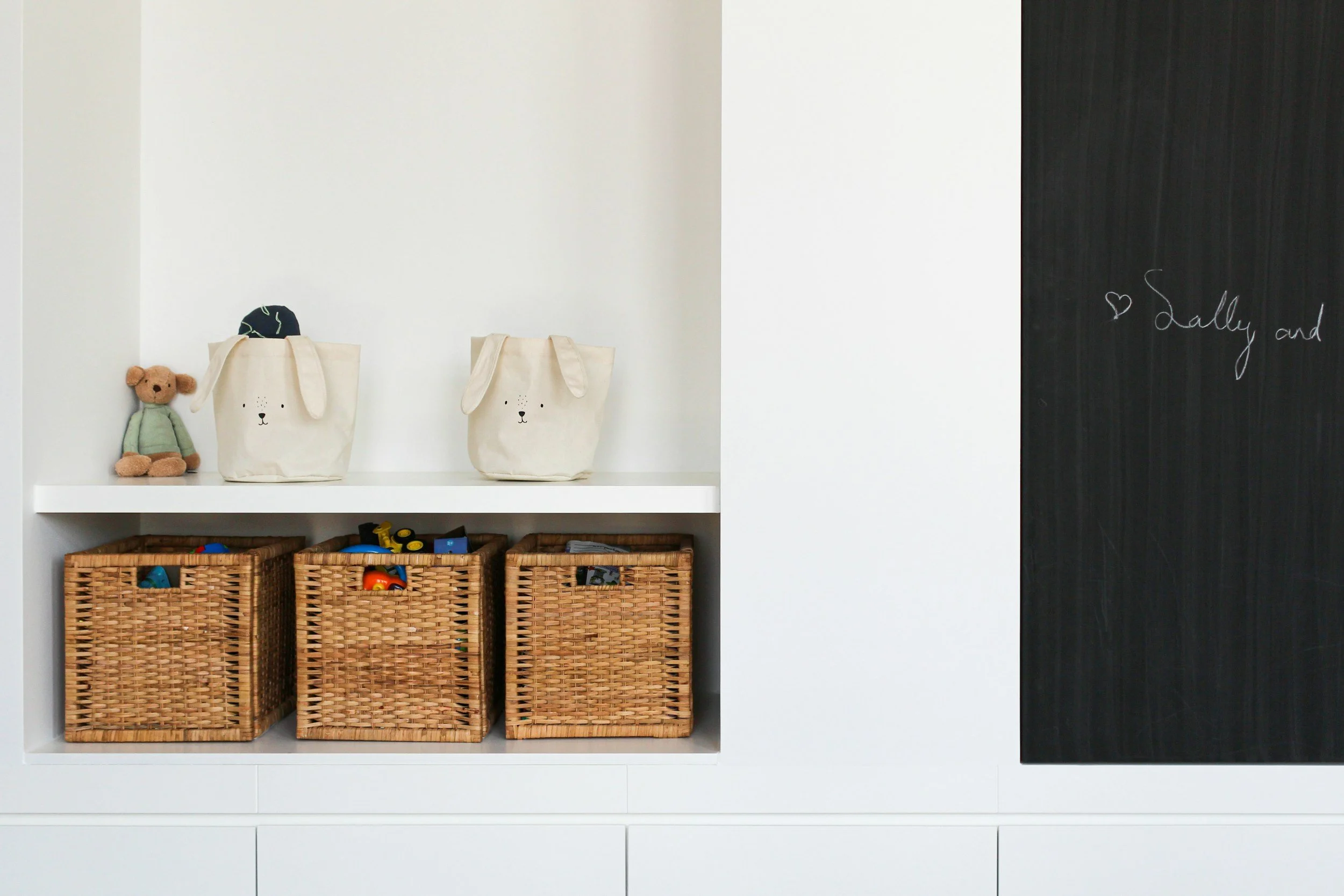
At Bluebird Organizing, I believe your home should support the life you're living, not become another source of stress, shame, or unfinished tasks.
That means we don't start with an assumption about how much you should own, how your home should look, or how quickly you should be able to make decisions.
We start with you.
Together, we'll explore what's working, what's frustrating, and what you'd like to change. We'll create systems that account for your habits, your energy, your household, and the way you naturally interact with your belongings. We'll make room for the decisions that take longer and celebrate the progress that makes everyday life easier.
My approach is gentle, practical, and collaborative. You won't be judged for the state of your home, pressured to part with things you're not ready to release, or expected to maintain a system that doesn't fit your life.
Because getting organized isn't about proving that you can keep a perfect home. It's about making your home a place that takes care of you, too.
Ready to Make Getting Organized Happen?
If getting organized has been on your mind for months, years, or even longer, you don't have to wait until you have more time, more energy, or a better plan.
You also don't need to know exactly what kind of help you need before reaching out.
I offer a free consultation where we can talk about what's going on in your space, what you'd like to change, and what working together might look like. There's no pressure to book a project, and you don't need to have all the answers before we talk.
Whether you're navigating a major life transition or simply ready for your home to feel easier to live in, I'd love to help you figure out where to start.
Book your free consultation with Bluebird Organizing
Let's make your home work for you.
