
How to Keep an Organized Home with Kids: Systems That Build Independence, Confidence, and Connection
Why an Organized Home Matters for Children
Many parents believe the goal of organizing is simply to have a cleaner house. While a tidy home is certainly a benefit, the true value of organization goes much deeper.
An organized home helps children develop life skills, fosters independence, reduces daily stress, and creates opportunities for meaningful family connection. When approached thoughtfully, organization becomes less about creating a picture-perfect home and more about creating an environment where every member of the family can thrive.
As my colleague Cheryl Hersh, owner of Hersh Parent Coaching, explains:
“Basic psychological needs are that we have autonomy, competency, and relatedness.”
In other words, people need to feel independent, capable, and connected to others. A well-organized home supports all three.
When children know where their belongings belong, they gain autonomy. When they successfully complete age-appropriate organizing responsibilities, they build competency and confidence. And when families work together to maintain shared spaces, they strengthen connection and a sense of belonging.
The good news is that fostering these qualities doesn’t require a perfectly organized home. It simply requires systems that make it easier for your family to participate in caring for their environment. Below are practical organizing strategies and habits you can implement throughout your home to support both your space and the people who live in it.
Organizing the Playroom: Less Is (Often) More
Contain Small Items
One of the most effective strategies for maintaining an organized playroom is micro-organization.
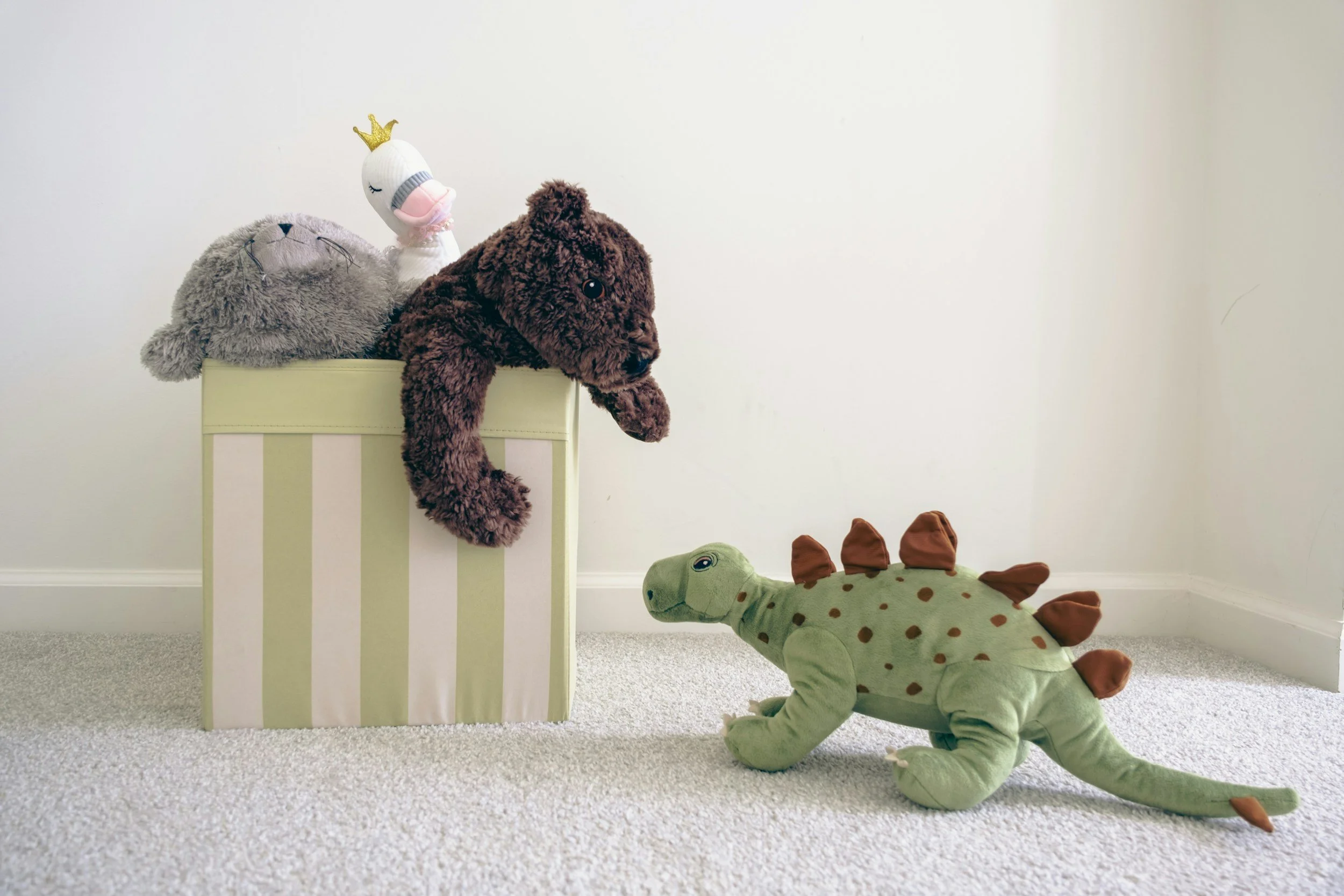
Group similar toys together and assign each category its own container. Art supplies stay with art supplies. Building materials stay with building materials. Toy animals stay with toy animals.
When children can easily see where something belongs, cleanup becomes significantly easier.
Declutter Regularly
Children outgrow toys quickly. Schedule recurring toy decluttering sessions every few months to remove broken, unused, or outgrown items. Not only does this reduce clutter, but it also prevents unnecessary duplicate purchases.
Rotate Toys
More toys do not necessarily create more engagement. In fact, too many options can overwhelm children.
Consider rotating toys and keeping some stored out of sight. When toys reappear weeks later, they often feel exciting and new again.
Think of toy rotation the same way you think about seasonal clothing: not everything needs to be accessible at the same time.
Simplifying Laundry Systems for Families
Laundry can easily become one of the most frustrating household tasks.
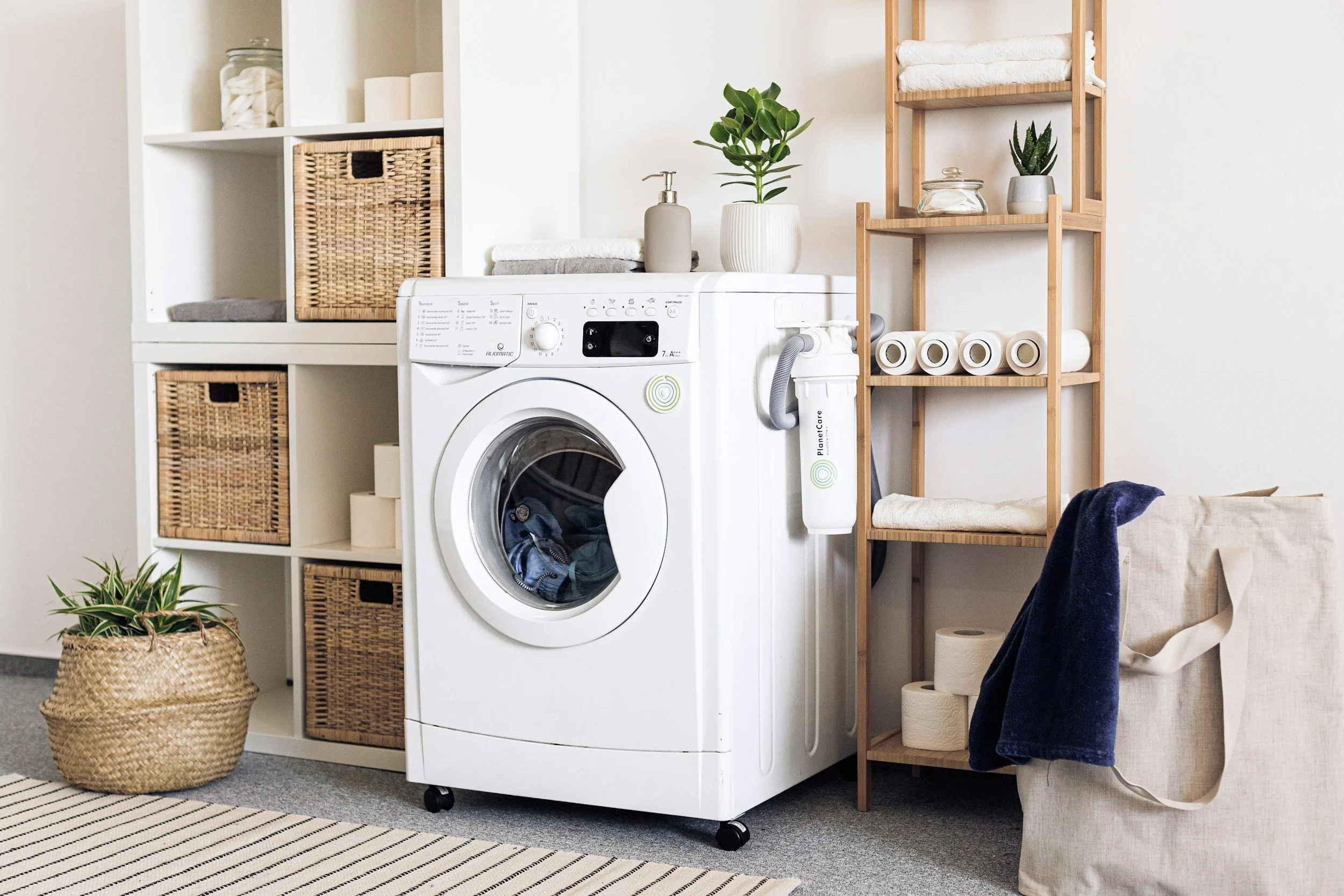
One simple solution is to create designated baskets or shelves for each family member.
After laundry is completed, place each person’s clean clothes in their assigned space. As children get older, they can take ownership of collecting, putting away, and eventually washing their own clothing. This creates a natural progression toward greater independence while reducing the mental load on parents.
Remember: organization works best when responsibilities are distributed rather than concentrated in one person.
Design Bedrooms That Grow With Your Child
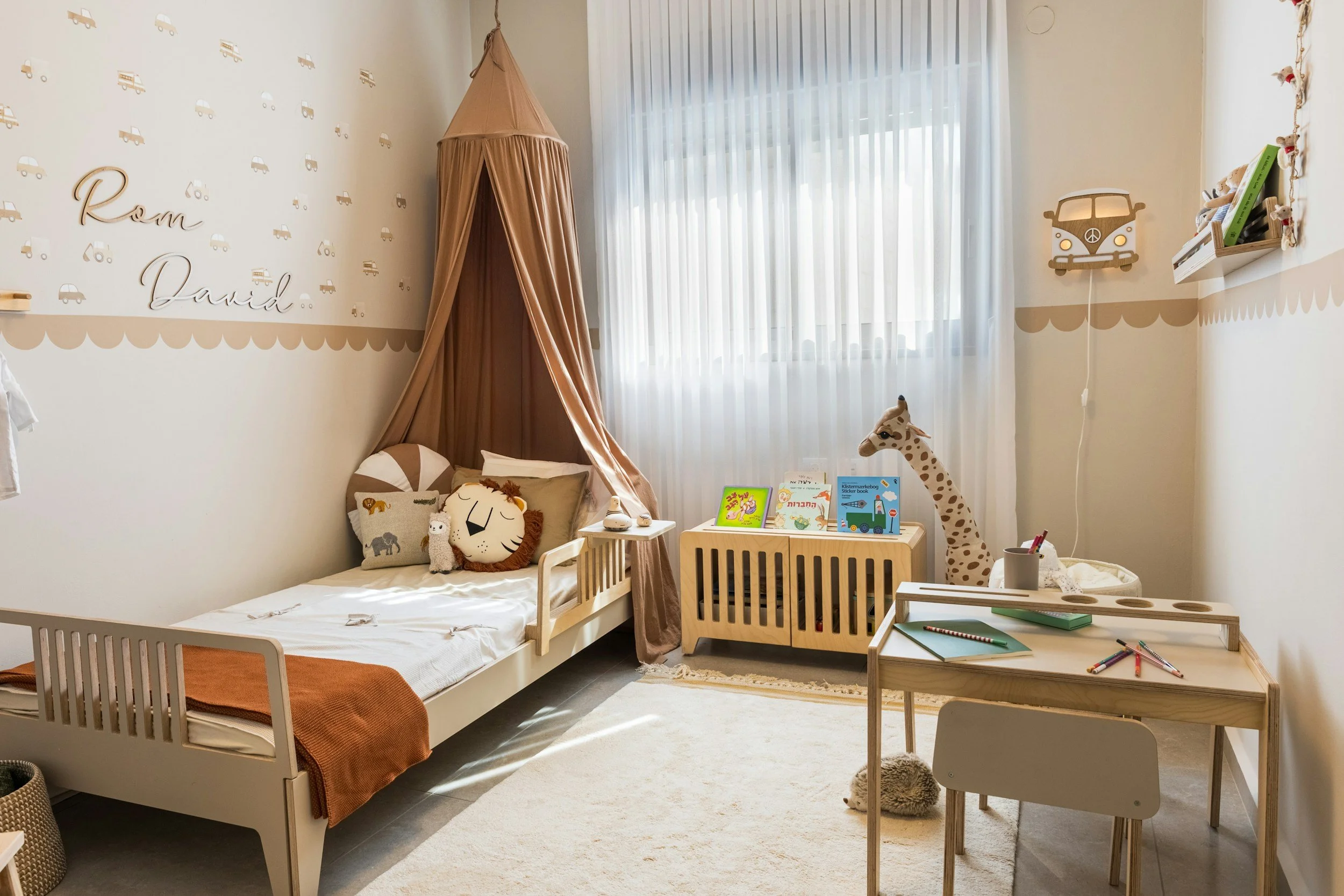
Children grow quickly, and their storage needs change just as fast. Instead of purchasing furniture that will need to be replaced in a few years, invest in pieces that can adapt as your child grows. Large dressers with drawer dividers often provide more long-term flexibility than furniture designed specifically for toddlers or young children.
The goal is not perfection. The goal is creating systems that continue to serve your family over time.
Managing Artwork Without Creating Clutter
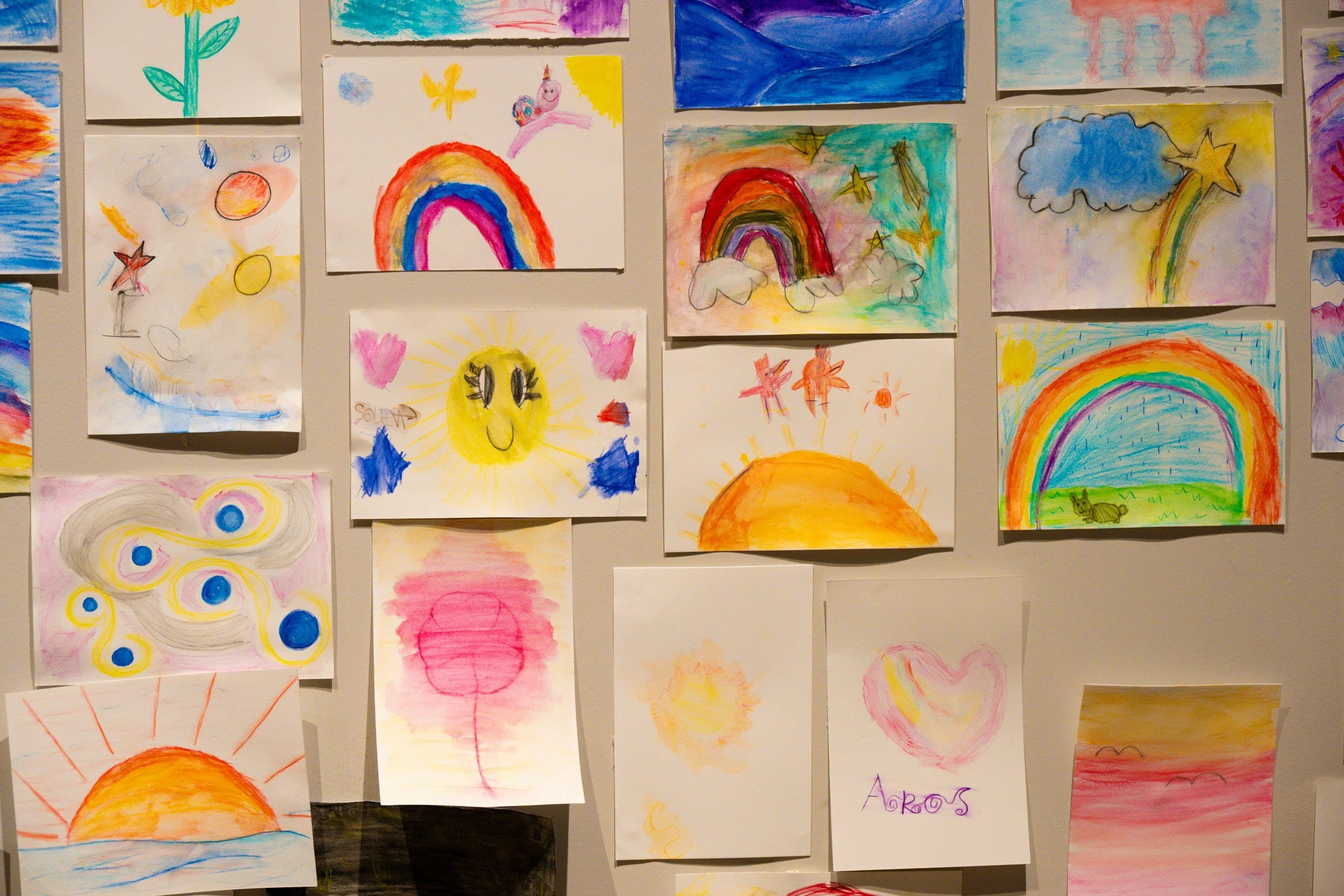
Artwork is one of the most common sources of clutter in family homes. At the same time, it often carries emotional significance.
A simple system can help:
Designate a collection bin for incoming artwork.
Periodically review the contents.
Decide what to keep, photograph, or discard.
Store meaningful pieces in a filing system organized by age, year, or grade.
This allows you to preserve important memories without allowing paper to take over your home.
What to Do About Surface Clutter
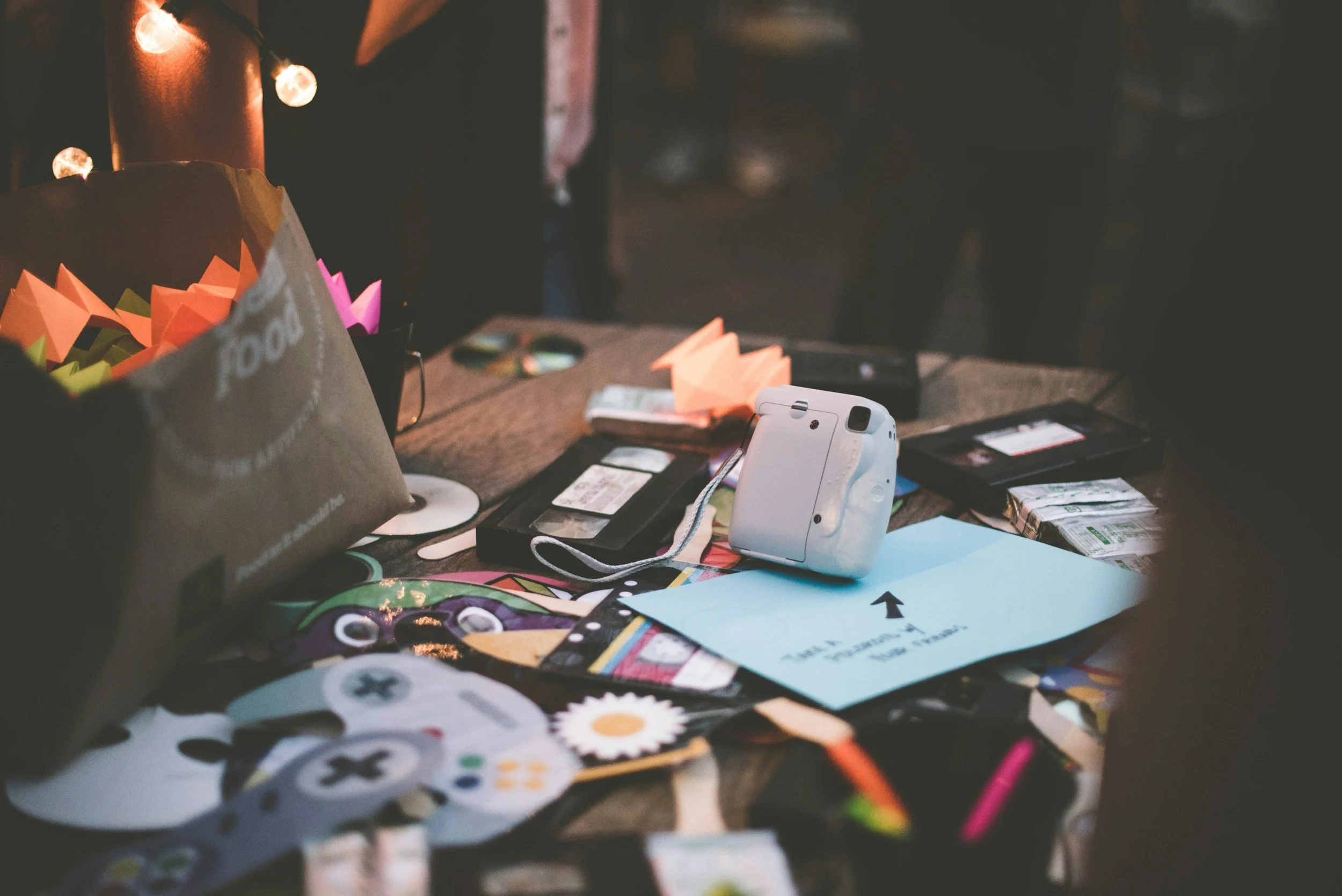
If your countertops and tables constantly accumulate random items, there’s usually a system problem—not a motivation problem.
Surface clutter often falls into one of three categories:
Items without a designated home
New items entering the home
Things that belong elsewhere
To address this, start by identifying what repeatedly lands on your surfaces.
Then ask:
“Where would I naturally look for this item?”
Create homes based on actual behavior, not ideal behavior.
Another helpful solution is a “Where Does This Go?” bin. When you don’t have time to make organizing decisions, place miscellaneous items in the bin and revisit them later as a family. This prevents clutter from spreading while allowing everyone to participate in creating solutions.
Letting Go of Unwanted Gifts

Many families hold onto items out of guilt rather than usefulness. Unfortunately, guilt is one of the fastest ways clutter accumulates. A gift fulfills its purpose when it is given—not when it remains in your home forever. Establishing healthy boundaries around gifts can prevent future clutter and help your children learn that it’s okay to value people without keeping every object attached to them.
Five Organizing Habits That Actually Last

1. Be the Example
Children learn more from what we do than what we say. If you want children to put things away, they need to see organization modeled consistently.
2. Attach Organizing to Daily Transitions
Organization is not a once-a-day activity. It’s something that happens throughout the day.
Examples include:
Putting dirty clothes in the hamper after changing
Returning toys before starting a new activity
Placing pillows back on the bed after waking up
Small transitions create lasting habits.
3. Start Small and Stay Consistent
Children build confidence through successful repetition. Giving a child one manageable responsibility—such as checking the dog’s water bowl each evening—often leads to greater responsibility over time.
This supports Cheryl Hersh’s concept of competency. Children need opportunities to experience themselves as capable and successful.
4. Stay Curious About Resistance
If a child resists organizing, assume there’s a reason. Perhaps they prefer visual organization. Maybe your system feels too complicated. Maybe their definition of “organized” looks different than yours.
Curiosity creates collaboration. Judgment creates resistance.
5. Practice Essentialism
Some days, your house will be messy. That doesn’t mean you’ve failed.
When life feels overwhelming, focus on what matters most right now.
Need to make dinner? Clear the stove first.
Need to leave for school? Focus on getting everyone out the door.
Organization is not about perfection. It’s about supporting your life.
The Real Purpose of Organizing
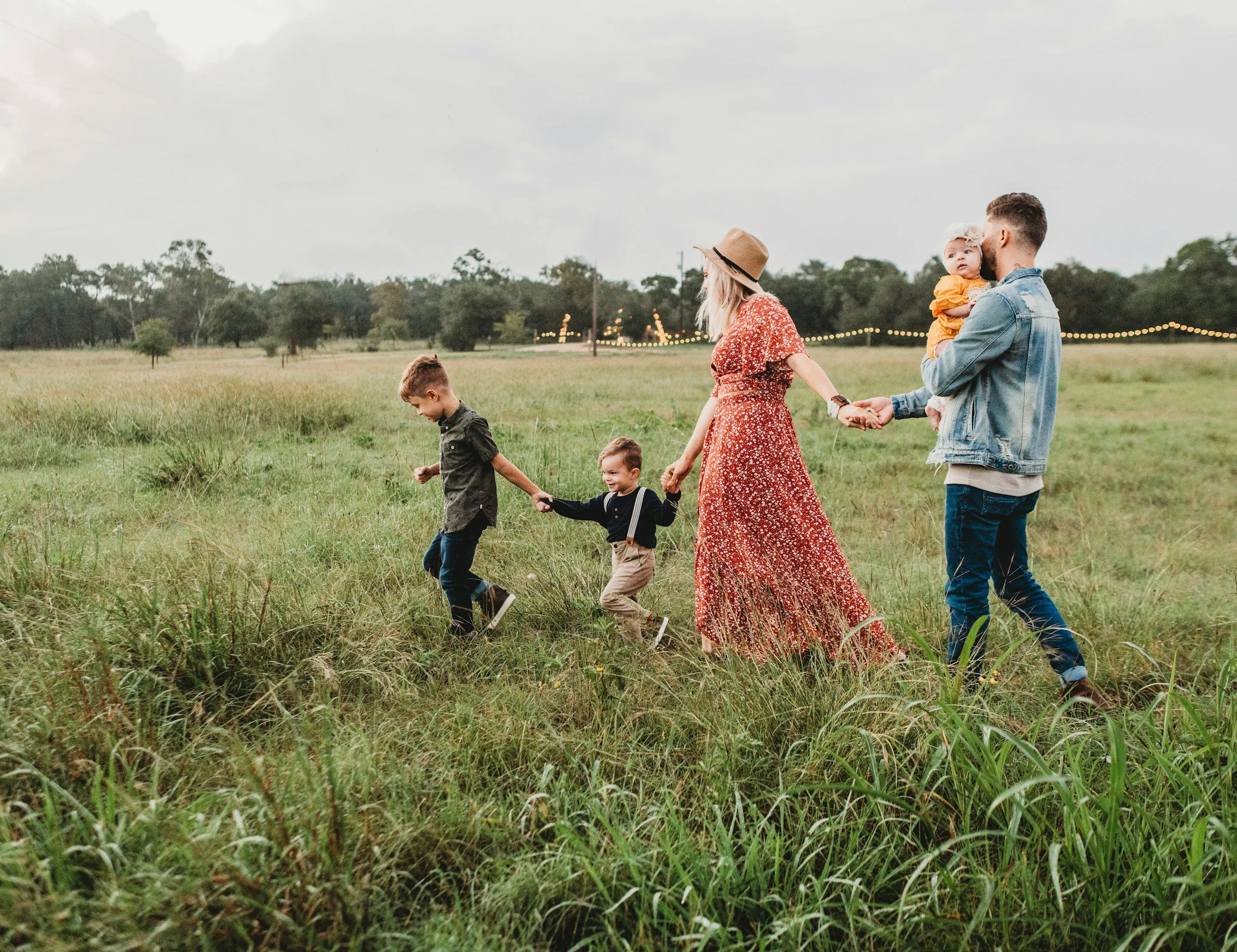
At its core, organization is not about containers, labels, or perfectly folded drawers. It’s about creating a home that supports your family’s well-being.
When children participate in maintaining their environment, they develop autonomy. When they successfully complete responsibilities, they build competency. And when families work together toward shared goals, they strengthen relatedness and connection.
These are the same psychological needs Cheryl Hersh describes as essential to human flourishing.
An organized home doesn’t just reduce clutter. It helps create confident, capable, and connected people.
Ready for Personalized Organizing Support?
Every family faces unique organizing challenges, which is why there is no one-size-fits-all solution.
At Bluebird Organizing, I focus on identifying your family’s organizing obstacles, habits, and natural organizing style so we can create systems that work with your life—not against it.
In-Person Organizing
My hands-on organizing sessions help you declutter, create sustainable systems, and transform your space alongside a professional organizer. Product planning, shopping recommendations, and donation drop-off coordination are included, allowing you to focus on what matters most.
Virtual Reset Sessions
If you don’t need hands-on organizing but want expert guidance, strategy, accountability, and a personalized action plan, a Virtual Reset may be the perfect fit. Together, we’ll identify what’s causing the overwhelm and create a realistic path forward.
Start with a Free Consultation
Every organizing journey begins with a conversation. We’ll discuss your goals, identify your biggest organizing challenges, and determine the best next steps for creating a home that feels calmer, more functional, and easier to maintain.
You got this!
